

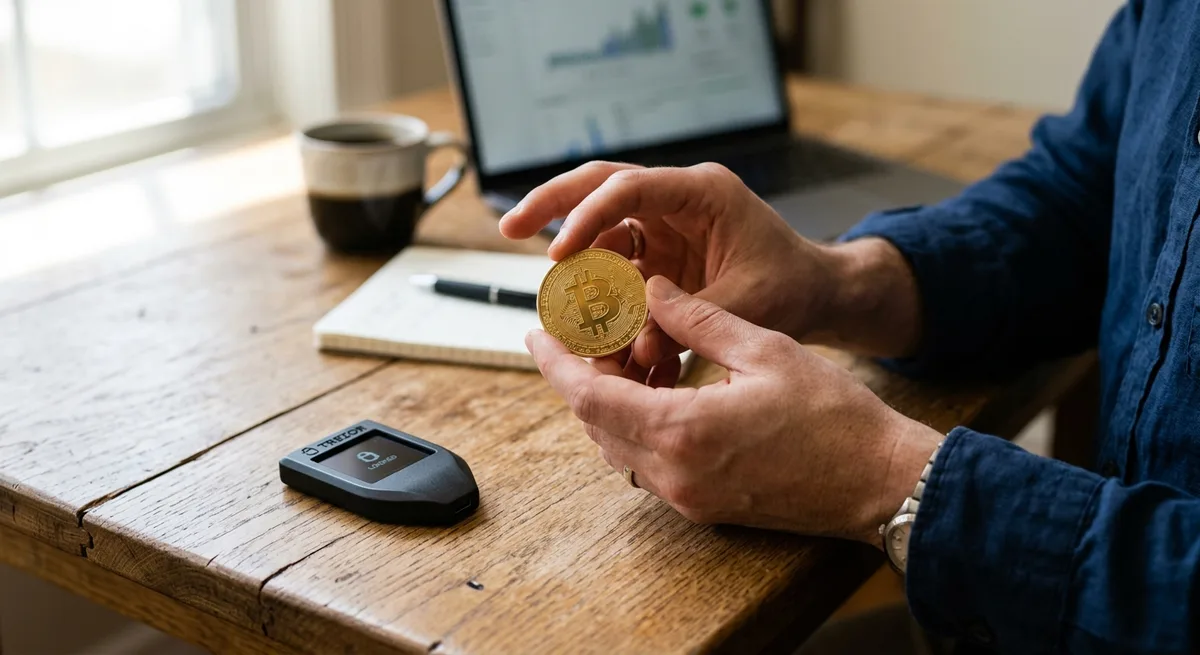
Most people who buy crypto for the first time assume they own it the moment the balance shows up in their account. Logical assumption. Wrong assumption. Real ownership in crypto works differently from a bank account, and the gap between those two ideas is exactly where things tend to go wrong.
This guide walks through self custody crypto in a practical way: what it actually means, why the phrase “not your keys, not your coins” keeps coming up, and how you can take more direct control of your assets without rushing into a setup you don’t fully understand. No hype, no scare tactics. Just the framework I wish more beginners had before they made their first mistakes.
Introduction: Why Self Custody Matters More Than Most Beginners Realize
Here’s the uncomfortable truth that exchanges rarely highlight: if a platform holds your crypto, the platform owns the keys. You own a claim against that platform. Those are not the same thing.
It feels the same when everything works. You log in, see your balance, withdraw when you want. But that experience depends entirely on the platform staying solvent, staying online, staying compliant, and staying honest. History has shown, more than once, what happens when one of those conditions fails.
Self custody flips that relationship. You hold the keys, you control the funds, and no third party can freeze or block them. That’s powerful. It’s also a responsibility, and pretending otherwise would do you no favors. The goal of this article is to help you understand both sides clearly, so you can decide what makes sense for your situation.
What Is Self Custody Crypto?
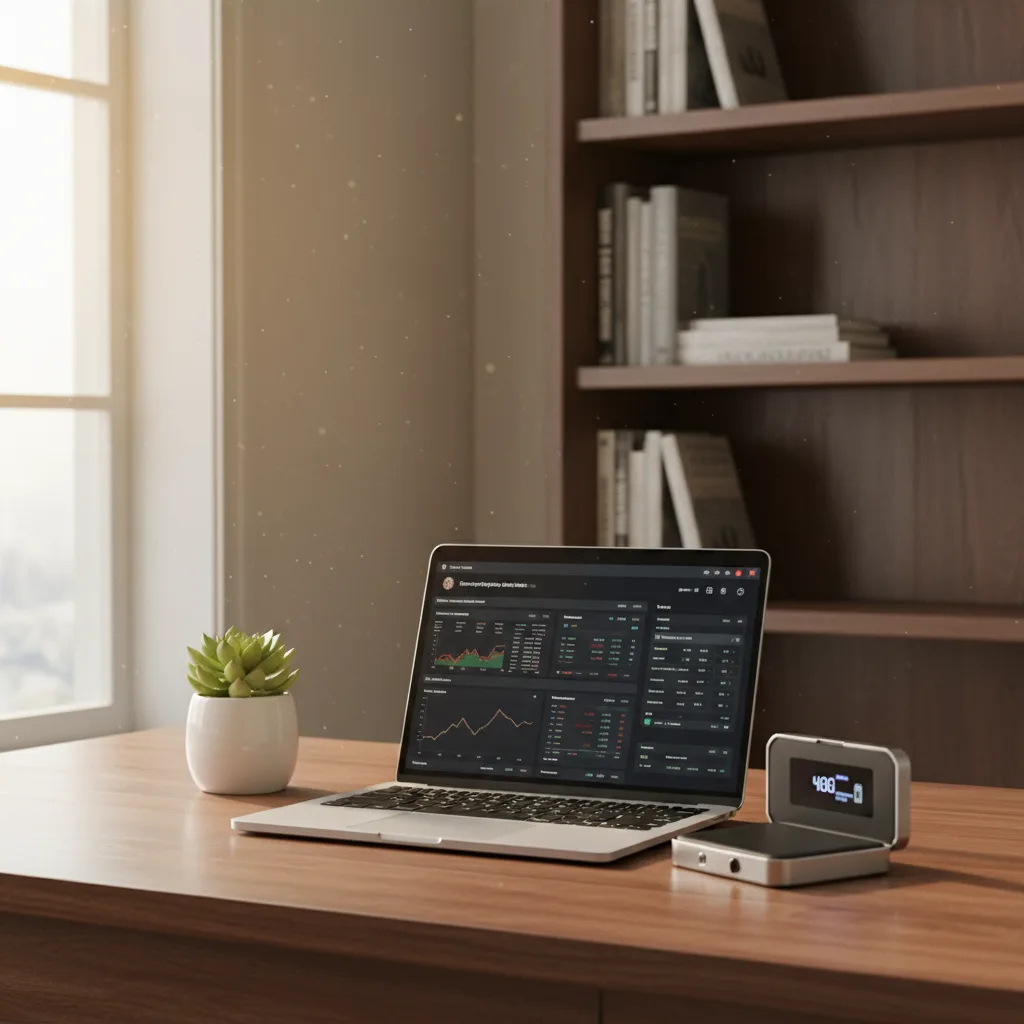
Self custody crypto simply means you personally hold and control the private keys to your crypto assets, usually through a wallet you manage yourself. No exchange, no broker, no custodian in between.
Think of it like the difference between cash in your pocket and money in a bank. The bank holds your funds and lets you access them through their system. Cash in your pocket is yours directly. Self custody is closer to the cash model, except the “pocket” is a wallet protected by a private key or seed phrase that only you know.
That single shift, from someone else managing your keys to you managing them, is the entire foundation of what people mean when they talk about real crypto ownership.
Self Custody vs Custodial Crypto Accounts
A custodial account is anything where a third party holds the keys for you. Most centralized exchanges fall into this category. You deposit crypto, they store it (somewhere, on their terms), and they let you trade, withdraw, or stake based on their rules.
A self custody wallet works differently. You generate the wallet, you receive the seed phrase, and you alone decide when and how funds move. There’s no support team that can reverse a transaction, but there’s also no support team that can freeze your account either.
Both models have their place. The mistake is assuming they’re interchangeable. They’re not.
What “Crypto Ownership” Really Means
The number on an exchange dashboard is an IOU. It’s the platform saying “we owe you this much.” On-chain, the only thing that proves ownership is control of the private key linked to a specific address.
That’s why the phrase exists. Ownership in crypto isn’t about what your app shows you. It’s about who can sign a transaction. If that’s not you, then technically, the coins aren’t yours, they’re being held for you.
“Not Your Keys, Not Your Coins” Explained
This phrase became popular for a reason. It captures, in seven words, the lesson that users have learned the hard way during every major exchange collapse, withdrawal freeze, or platform hack in crypto history.
The meaning is straightforward. If you don’t hold the private keys, you don’t have direct control over the coins. You have a relationship with a company, and that relationship can change without your consent. Withdrawals can be paused. Accounts can be closed. Funds can vanish in a bankruptcy. None of these are theoretical scenarios. They’ve all happened, repeatedly.
Self custody doesn’t eliminate risk. It just changes the type of risk you’re taking. Instead of trusting a platform, you’re trusting your own setup. For many people, that trade-off is worth it. For others, especially early on, it isn’t yet.
Why Private Keys Are the Core of Self Custody
A private key is essentially a long secret number that proves you have the right to move crypto from a specific address. Whoever holds that key can sign transactions. Whoever can sign transactions controls the funds.
You don’t need to understand the cryptography behind it. What matters is the principle: control of the key equals control of the coins. There is no separate ownership layer above it. No registry. No “real” account behind the scenes. Just the key.
Seed Phrases, Wallet Access, and Recovery
Most modern wallets don’t ask you to memorize long keys. Instead, they generate a seed phrase, usually 12 or 24 words, that can recover the wallet on any compatible device.
This phrase is the master backup. If your phone breaks, your laptop dies, or your hardware wallet gets lost, the seed phrase can restore everything. That’s also exactly why it’s so dangerous if exposed. Anyone with your seed phrase can recreate your wallet and drain it.
Two rules, then. Don’t lose it. Don’t share it. Easy to say, harder to actually implement well, which is something we’ll come back to. If you want a clearer overview of how different wallets use these mechanics, the breakdown in Bitcoin wallets explained is a good starting point.
The Main Benefits of Self Custody
Self custody isn’t magic. But it does shift the balance of power in a way that benefits long-term holders and people who value independence. Here’s what you’re really gaining.
More Control Over Your Crypto Assets
When you hold your own keys, no one can freeze your funds because of a regional policy change, a KYC dispute, or a platform decision you weren’t involved in. You decide when to send, when to hold, and when to interact with other protocols.
For people drawn to crypto because of financial independence, this is the whole point. The technology was designed to let individuals hold value without needing permission from a middleman. Self custody is where that promise actually starts to deliver.
Reduced Exchange and Platform Risk
Exchanges fail. Sometimes due to mismanagement, sometimes due to hacks, sometimes due to regulatory pressure. When they do, customer funds often become part of a lengthy legal process, if they’re recovered at all.
Even healthy platforms can pause withdrawals during volatile periods or restrict access based on jurisdiction. Self custody removes that single point of failure. The trade-off is that you’re now your own single point of failure, which is something to think about honestly. For a wider look at what makes Bitcoin itself secure at the network level, Bitcoin security: how safe is it? is worth a read.
Better Long-Term Storage Options
If you’re holding for years rather than trading weekly, keeping funds on an exchange makes less sense. You’re paying for liquidity you don’t use, in exchange for a risk you don’t need.
Self custody, especially when paired with offline storage, is built for that long-term mindset. Different storage methods fit different behaviors, and matching the two is half the work. A practical overview of the options is laid out in how to store Bitcoin safely.
The Risks and Responsibilities of Self Custody
Now the honest part. Self custody removes third-party risk and replaces it with personal responsibility. There is no customer support line for a lost seed phrase. No password reset email. No fraud department to call. You are the security team.
That’s not meant to scare you off. It’s meant to set expectations correctly. Most self custody disasters happen because someone underestimated what they were taking on.
Losing Access to Your Wallet
The most common way people lose crypto in self custody isn’t a hack. It’s themselves. A seed phrase written on a piece of paper that gets thrown out during a move. A hardware wallet damaged with no backup. A passphrase forgotten because it was “obvious enough not to write down.”
These stories are unfortunately routine. The fix is boring but effective: take backups seriously from day one, even if your balance is small.
Scams, Phishing, and Fake Wallet Apps
The scam landscape evolves fast. Fake wallet apps in app stores. Browser extensions that look identical to the real ones. Direct messages from “support” agents who somehow appear right when you mention having an issue. Phishing sites that mirror the real wallet interface and ask for your seed phrase to “verify” your account. (No legitimate wallet will ever ask for that. Ever.)
There are also approval-draining scams, where you sign a transaction on a sketchy decentralized app and unknowingly give it permission to move your tokens. Slow down, verify carefully, and assume that anything pushing urgency is suspicious. A more detailed walkthrough of common patterns is in how to spot Bitcoin scams.
Human Error and Transaction Mistakes
Blockchain transactions are usually irreversible. Send to the wrong address, and that’s the end of it. Pick the wrong network during a transfer, and the funds may not show up where you expected.
Practical habits help: always copy and paste addresses (then verify the first and last few characters), send a small test transaction before a large one, and never confirm anything when you’re rushed, tired, or emotional. That last one sounds obvious until you’ve actually been in that situation at 1 a.m.
Types of Self Custody Wallets
Choosing the right self custody wallet depends on how you actually use crypto, not on what looks most impressive. Here are the main categories.
Hot Wallets
Hot wallets are connected to the internet. They live on your phone, your desktop, or as a browser extension. They’re convenient and fast, which makes them practical for small amounts and active use.
The downside is exposure. Anything connected to the internet is, by definition, reachable by people online. For day-to-day amounts, that’s an acceptable trade-off. For your entire net worth, it isn’t.
Cold Wallets
Cold wallets keep keys offline, away from the constant attack surface of the internet. They’re slower to use and less convenient, but that’s the point. The friction is a feature, not a bug, when you’re protecting long-term holdings.
If you’re trying to figure out which side of that line you fall on, the comparison in cold wallet vs hot wallet safety is useful.
Hardware Wallets
A hardware wallet is a small physical device built specifically to store private keys and sign transactions in an isolated environment. Even when connected to a compromised computer, the keys themselves never leave the device.
They’re not magic shields. You can still lose them, damage them, or be tricked into signing a malicious transaction. But for most people serious about self custody, hardware wallets are the standard. The technical reasons why are covered in how hardware wallets protect crypto.
Software Wallets
Software wallets are applications, mobile or desktop, that manage keys directly on the device. They’re easier to start with than hardware wallets and often have a smoother user experience.
The trade-off is that your wallet’s security is only as good as your device’s security. A compromised phone or laptop puts the wallet at risk. If you want a comparison of options across categories, best Bitcoin wallets 2026: top picks compared gives a current snapshot.
How to Set Up a Self Custody Wallet Step by Step
Setting up a wallet isn’t complicated, but the order in which you do things matters. Rushing past the basics is where people get burned.
Step 1: Choose the Right Wallet Type
Match the wallet to the use case. A small amount for experimenting? A reputable mobile wallet is fine. Long-term holding of meaningful funds? A hardware wallet earns its price quickly. Active trader who also stores long-term? Use both, separately.
Before moving real amounts, send a small test transaction first. Every time.
Step 2: Download or Buy From a Trusted Source
Only download wallet apps from the official website or official app store listing. Bookmark the real URL once you find it. For hardware wallets, only buy directly from the manufacturer or an authorized reseller. Used hardware wallets from marketplaces are a known attack vector. The reasoning behind that is explained more fully in how hardware wallets protect your crypto.
Step 3: Create and Secure Your Seed Phrase
Write the seed phrase down on paper, or better, on a metal backup plate designed for this purpose. Store it somewhere safe and private.
What not to do: screenshots, photos, cloud notes, email drafts, text files, password managers used carelessly, sticky notes on the monitor (yes, really). And never type your seed phrase into a website. Ever. That’s not a real recovery step in any legitimate wallet.
Step 4: Send a Small Test Transaction First
Before transferring any meaningful balance, send a small amount and verify it arrives in your wallet correctly. This catches address typos, wrong networks, and any setup misunderstandings before they become expensive lessons.
It feels tedious. Do it anyway. The five minutes spent on a test transaction is the cheapest insurance in crypto.
Step 5: Build a Backup and Recovery Plan
One backup is fragile. Two backups in different secure locations is much better. Think about what happens if your house floods, burns, gets burgled, or if you simply lose the original.
If you hold substantial amounts, think about inheritance too. A wallet your family can’t access is, for them, the same as a wallet that doesn’t exist. There are ways to structure this without compromising security in your lifetime, but it does require thought.
Self Custody Security Best Practices
Most security wins in crypto come from boring habits, not from exotic tools. Here’s the short version.
Keep Your Seed Phrase Offline
Offline storage avoids the entire category of online threats: cloud breaches, malware scanning your device, phishing, account compromises. Protect the physical copy against fire, water, theft, and accidental disposal. A fireproof safe or a metal backup plate is worth the small investment.
Use Strong Device Security
Keep your operating system updated. Use strong, unique passwords. Lock your screen. Be careful with what you install, especially browser extensions. Treat any device that touches your crypto as one that needs extra care.
Separate Trading Funds From Long-Term Holdings
Use different wallets for different purposes. One wallet for daily activity and small experiments. A separate, more secure setup for long-term holdings. This containment limits how much you can lose if one wallet gets compromised.
Verify Everything Before Signing
When a wallet asks you to approve a transaction, actually read it. Check the recipient address. Check the amount. Check what permissions you’re granting to a decentralized app. Approval-based attacks often work because users click through prompts without reading them. Slow signing beats fast regret.
Self Custody vs Exchanges: Which One Makes Sense for You?
Self custody isn’t universally better. It’s better for specific goals. Exchanges aren’t universally bad. They’re useful for specific purposes. The right answer depends on what you’re actually trying to do.
When Custodial Platforms May Be Practical
Exchanges genuinely shine in a few areas. Buying crypto with fiat. Active trading. Accessing certain services like fiat off-ramps or tax reporting. Holding very small amounts where the friction of self custody outweighs the benefit.
For users still learning, keeping a small position on a reputable exchange while building knowledge is reasonable. The mistake is staying there forever once the balance grows.
When Self Custody Becomes More Important
The larger your holdings, the longer your time horizon, and the more you value independence from third parties, the more self custody starts to matter. At some point, the risk of keeping serious money on a platform you don’t control simply doesn’t make sense anymore. Where that line is for you is a personal call. Just don’t make it by accident.
Advanced Self Custody Concepts for Users Who Want More Control
Once the basics feel comfortable, there are further steps that can deepen your independence. None of these are required. They’re for readers who already understand the fundamentals and want to go further.
Running Your Own Bitcoin Node
A Bitcoin node verifies transactions independently and lets you interact with the network without trusting third-party servers. For self custody users, running a node improves verification, privacy, and reduces reliance on outside infrastructure.
It’s optional. Most people don’t run one and are fine. But if you’re someone who values fully independent verification, it’s worth understanding. A solid introduction is in what is a Bitcoin node?.
How to Start With a Node If You’re Ready
Running a node requires some hardware, enough storage for the blockchain, a stable internet connection, and a willingness to do basic maintenance. It’s not difficult, but it’s not zero effort either. If you want a practical walkthrough, how to run a Bitcoin node step by step covers the process from the ground up.
Real-World Examples of Self Custody Decisions
Abstract advice is fine. Concrete examples are better. Here are three user profiles and how their custody decisions might reasonably differ.
Example 1: The Beginner Holding a Small Amount
Someone just starting out with a modest position. The right move here usually isn’t an elaborate setup. A reputable software wallet, a properly stored seed phrase, and a small test transaction before any real transfer. Learn the mechanics with low stakes. Upgrade later as the balance and confidence grow.
Example 2: The Long-Term Bitcoin Holder
Someone planning to hold for years, with a meaningful position. Hardware wallet, offline seed phrase backup in at least two locations, no daily trading activity, and a clear recovery plan documented for trusted people. Boring. Effective. Exactly the point.
Example 3: The Active Trader
Someone trading frequently. A portion of funds stays on an exchange for liquidity, sized intentionally, not by accident. Long-term holdings sit in a separate self custody wallet, ideally a hardware one. The exchange balance is the working capital, not the savings account.
Suggested Visuals and Trust Signals
Some content lands better with the right supporting visuals. Here’s what works well for this topic.
Visual: Custodial vs Self Custody Flowchart
A clean diagram showing who holds the keys in each model, who can authorize transactions, and where the main points of failure sit. This single visual often clarifies the concept faster than paragraphs of explanation.
Visual: Wallet Setup Checklist
A scannable checklist covering wallet selection, secure download, seed phrase storage, test transactions, and backup planning. Readers can use it as a quick reference instead of re-reading the section.
Trust Signals to Include
Where possible, reference official wallet documentation, Bitcoin developer resources, recognized cybersecurity guidance, and exchange risk disclosures. Skip the hype-driven “expert” quotes. Sources that actually add clarity are worth far more than ones that just add a name.
FAQ About Self Custody Crypto
Is Self Custody Crypto Safe?
Self custody can be very secure when handled properly. The risk isn’t in the technology, it’s in the user behavior. Mishandled seed phrases, compromised devices, careless approvals, and poor backups are where things go wrong. Done with discipline, self custody is one of the safest ways to hold crypto.
Can I Lose My Crypto With Self Custody?
Yes. The most common ways are losing the seed phrase, sending funds to the wrong address, downloading a malicious wallet, exposing private keys, or signing a harmful transaction. Most of these are preventable with simple habits.
Do I Need a Hardware Wallet?
Not for everyone. For small amounts or casual use, a reputable software wallet is reasonable. For larger balances or long-term holding, a hardware wallet is worth considering. The cost is low relative to what it protects.
Should Beginners Use Self Custody?
Yes, if they take it slowly. Start small. Learn how recovery works. Practice with a test wallet before moving real funds. Don’t jump straight into advanced setups. Self custody is a skill, not a single decision.
What Happens If an Exchange Holds My Crypto?
The exchange controls the private keys. You’re trusting them to stay solvent, secure, compliant, and willing to process your withdrawals. If any of those break, your access to your crypto depends on the platform’s situation, not your own choices.
Is Self Custody Better Than Keeping Crypto on an Exchange?
It depends on what you’re optimizing for. Self custody gives you direct control and removes platform risk. Exchanges offer convenience, liquidity, and easier fiat access. Most experienced users end up using both, intentionally and separately.
Conclusion: Self Custody Is About Control, but Control Requires Discipline
Self custody crypto is, at its core, about taking direct responsibility for your assets. No middleman, no platform between you and your funds. That control is real, and for many people, it’s exactly what drew them to crypto in the first place.
But control without discipline is just exposure. The seed phrase, the backups, the device security, the verification habits, the patience to send a test transaction first — none of this is glamorous. It’s just the price of doing this properly. The phrase “not your keys, not your coins” isn’t a slogan to chant. It’s a reminder that ownership only means something if you can actually exercise it.
Start small. Build the habits before you build the balance. Treat self custody as a practice you grow into, not a switch you flip overnight. Do that, and you’ll be in a much better position than most people who only learn these lessons after losing something they didn’t have to lose.