

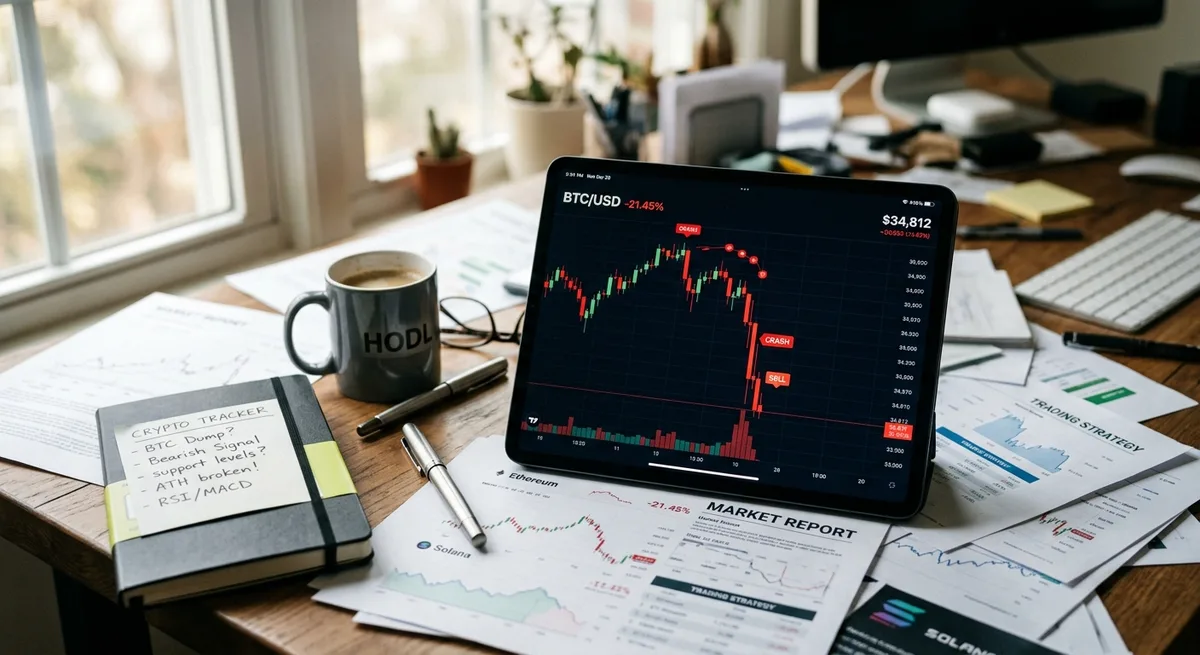
Crypto rug pulls are one of those things you understand the moment it happens to someone you know. A project looked promising, the chart was climbing, the community was loud and confident, and then within hours it all collapsed. The token became unsellable, the founders went silent, and the website disappeared. Welcome to one of the most damaging types of crypto scams out there.
What makes rug pulls so dangerous is that they rarely look like scams from the outside. They mimic real projects, real communities, even real ambition. By the time the warning signs become obvious, the money is already gone. That is why this article exists. Not to scare you away from crypto, but to help you recognize the pattern early enough to walk away before you become the exit liquidity for someone else.
What Are Crypto Rug Pulls?
A rug pull is a type of crypto scam where the people behind a project attract investors, build hype around a token, and then disappear with the funds or drain the liquidity that allows the token to be traded. The name comes from the idea of pulling the rug out from under the buyers. One moment you are standing on something that feels stable. The next, you are flat on the floor with worthless tokens in your wallet.
Rug pulls can be coordinated months in advance or happen impulsively when insiders decide they have enough money to walk away. Either way, the result for investors is almost always the same: heavy losses with very little chance of recovery.
Simple Definition of a Rug Pull Crypto Scam
Imagine a new token launches. The team promises a revolutionary product, the price starts climbing, influencers post screenshots of their gains, and you decide to buy in. For a few days, maybe even a week, everything looks great. Then, suddenly, the price crashes by 95%. You try to sell, but you cannot. Or you can sell, but at a fraction of what you paid.
What happened? The insiders either dumped their massive token holdings into the buyers, or they removed the liquidity pool that allowed the token to be traded. You are now holding a token that technically still exists, but has no market, no buyers, and no future. That is a rug pull.
Why Rug Pulls Are Common in Crypto
Crypto is the perfect environment for this kind of scam, and it is worth being honest about why. Creating a token costs almost nothing. Anyone can deploy a smart contract in minutes. Teams can stay anonymous. Hype cycles move faster than any regulator can react. Decentralized exchanges allow new tokens to be listed instantly, without checks. And FOMO does the rest.
Combine those ingredients with people who are afraid of missing the next big thing, and you get a market where rug pulls keep working again and again. If you want a broader view of how this fits into the rest of the scam landscape, the overview of common crypto scams in 2026 gives a useful map of what to watch out for.
How Crypto Rug Pulls Usually Work

Most rug pulls follow a surprisingly predictable script. Once you see the pattern a few times, it becomes hard to unsee. Let me walk you through the four stages that almost every rug pull moves through.
Step 1: A New Crypto Project Creates Hype
It always starts with attention. A new token appears, often with a flashy website, a buzzword-heavy whitepaper, and an aggressive social media presence. Telegram and Discord groups fill up quickly. Paid influencers post about life-changing gains. There might be giveaways, airdrops, contests, and countdowns. The goal is simple: build excitement faster than anyone can think critically.
This stage is designed to override your skepticism. The louder it gets, the more legitimate it feels, even though hype itself is the easiest thing to manufacture in crypto.
Step 2: Investors Buy the Token Early
Once attention is high, the next step is converting that attention into money. You will see messaging like “limited presale,” “only 48 hours left,” or “early buyers will see 100x returns.” The structure rewards those who buy in fast and punishes those who hesitate, at least on paper.
Presales are particularly effective because they create a sense of insider access. If you want to understand the mechanics behind these earlier funding rounds, this breakdown of what a crypto presale is is a good starting point. Not every presale is a scam, but a lot of rug pulls hide here.
Step 3: Liquidity or Funds Are Pulled
This is the moment of the rug pull itself, and it can happen in seconds. The developers remove the liquidity from the trading pool, dump their token holdings into the market, or transfer the raised funds out of the project wallet. Sometimes all three at once.
Communication channels go dark. The Telegram admin disappears. The Twitter account is deleted or rebrands into something unrelated. The website goes offline. By the time the community realizes what is happening, the founders are already gone.
Step 4: Investors Are Left Holding Worthless Tokens
What remains is a token with no liquidity, no team, and no future. The chart looks like a cliff. People in the community shift from excited to panicked to angry within a few hours. Some try to sell whatever they can. Others post in shock, asking what happened.
Recovery is rare. Blockchain transactions cannot be reversed, anonymous founders are difficult to track, and law enforcement is often slow or simply unequipped to deal with decentralized scams across multiple jurisdictions.
Main Types of Crypto Rug Pulls
Not all rug pulls look the same. Knowing the categories helps you spot the pattern before you put your money in.
Liquidity Pulls
A liquidity pool is what makes a token tradable on a decentralized exchange. The developers pair their token with something like ETH or a stablecoin, and that pool allows buyers and sellers to swap. If the team controls the liquidity, they can also remove it. The moment they do, the token becomes virtually unsellable.
Understanding how token economics work helps you spot weak liquidity setups before they collapse. The basics in this guide on tokenomics for beginners make this much easier to evaluate.
Token Dump Rug Pulls
Sometimes the team does not remove liquidity directly. Instead, they hold a massive percentage of the token supply, push the price up through marketing and coordinated buying, and then sell everything into the retail demand. The price collapses, but technically the project is still “alive.” The damage is the same.
This is why vesting schedules matter so much. A short look at token vesting in crypto projects shows how legitimate teams lock their tokens to prevent exactly this kind of behavior.
Fake Project or Exit Scam Rug Pulls
Some projects never had any intention of building a real product. They exist purely to collect funds, usually through a presale, an ICO, or a fundraising campaign disguised as innovation. Once enough money is raised, the team vanishes.
This kind of scam often hides inside legitimate-looking fundraising structures. If you want to understand the difference between real and fake fundraising in this space, this piece on how crypto projects raise funds through ICOs is worth a read.
Malicious Smart Contract Rug Pulls
The most technical category. Here, the scam is coded directly into the contract. Hidden mint functions allow developers to create unlimited new tokens. Sell restrictions prevent buyers from selling at all. Blacklist functions block specific wallets from trading. Owner privileges allow the deployer to drain the contract whenever they want.
Most non-technical investors have no way to spot these issues by reading the contract themselves, which is why audits and community analysis matter so much. The lessons from the biggest DeFi hacks in crypto history show how often smart contract weaknesses are exploited, both by outsiders and by the teams themselves.
Warning Signs of Fake Crypto Projects
Here is the practical part. The following red flags will not catch every scam, but they will catch most of them.
Anonymous or Unverifiable Team
Anonymity is not automatically a scam. Some legitimate projects have anonymous founders for valid reasons. But anonymity combined with no verifiable track record, no public history, and no accountability is a serious problem. Check LinkedIn profiles, past projects, podcast appearances, GitHub activity, and interviews. If everything about the team feels like a stock photo, treat it that way.
Unrealistic Promises and Guaranteed Returns
Anything that promises guaranteed profits, “risk-free” yields, or extreme APY numbers is waving a red flag. Real crypto investing involves risk. Anyone who tells you otherwise is either lying or selling something. The same logic applies across the wider scam landscape, which is why this guide on how to spot Bitcoin scams is useful even if you are not specifically looking at Bitcoin.
Weak or Copied Whitepaper
Open the whitepaper. Read it. If it is full of buzzwords but light on actual mechanics, tokenomics, distribution details, and risks, that tells you something. If sections look copied from other projects (a quick search can confirm this), that tells you even more. A serious team can explain what they are building without hiding behind jargon.
No Locked Liquidity or Poor Token Distribution
If the team holds most of the supply and the liquidity is not locked, they have everything they need to rug pull at any time. Check the contract on a block explorer. Look at the top holders. If five wallets hold 70% of the supply, you are not really investing in a project. You are betting on the goodwill of strangers.
Aggressive Marketing Without Real Product Progress
When marketing massively outpaces development, something is off. Real products take time. If a team spends more on influencers than on engineers, ask why. Countdowns, “next 100x” claims, and constant hype posts are often used to distract from the absence of an actual product.
Community Questions Get Ignored or Deleted
Healthy communities tolerate critical questions. If you ask about the audit, the liquidity lock, the team, or the token allocation, and you get banned or your message gets deleted, that is a strong signal. Scammers cannot afford a public conversation about the weaknesses of their project.
How to Avoid Rug Pulls Before Investing
Avoiding rug pulls is mostly about slowing down. Most people who get scammed knew something was off but invested anyway because they did not want to miss the move. Here is a practical framework you can use.
Check the Team and Their Track Record
Spend ten minutes looking up the founders. Are they real people? Have they built anything before? Do their previous projects still exist, or did they also collapse mysteriously? A team with a verifiable history is not bulletproof, but it raises the bar significantly.
Review Tokenomics Before Buying
Look at supply distribution, team allocation, vesting periods, unlock schedules, taxes on buying and selling, and whether the contract allows minting new tokens. If the team can mint unlimited tokens at any time, you are not holding a scarce asset. You are holding whatever they decide to give you.
Look for Locked Liquidity
Liquidity locks are not a guarantee, but they do reduce the most obvious rug pull risk. Check whether the liquidity is locked, where it is locked, and for how long. A 24-hour lock is not meaningful. A multi-year lock is more serious.
Check for Smart Contract Audits
Audits help, but they are not magic. Check who performed the audit, whether the findings were addressed, and whether the audited version matches the deployed contract. Reputable audit firms are not unlimited, so a “fully audited” claim with no link is a red flag. This deep look at hidden security flaws in crypto shows how many issues exist even in projects that appear technically sound.
Start Small and Avoid FOMO
If a project only feels attractive because you might miss it, that is the urgency talking, not your analysis. Start with positions you can afford to lose entirely. If the project is real, you will have plenty of time to scale in. If it is not, you will be glad you only risked a small amount.
Use Reputable Tools and Block Explorers
Block explorers let you see token holder distribution, contract ownership, recent transactions, and the actual liquidity pool. Analytics platforms can show you wallet behavior, suspicious patterns, and on-chain history. You do not need to be a developer to read this data. A few minutes of checking can reveal a lot.
Real-World Examples of Crypto Rug Pulls
Patterns matter more than names here, but a few examples make the concepts concrete.
Example 1: A Hype-Driven Meme Token Collapse
A new meme token launches, fueled by viral posts and influencer promotion. Within days, the price multiplies. Then, often within a single hour, the chart goes vertical downward. Liquidity gets removed, insider wallets dump their bags, and the token settles at near zero. The lesson: meme tokens can be fun, but they are also one of the easiest categories to rug pull because hype is the entire thesis.
Example 2: A Fake DeFi Project Exit Scam
A project markets itself as the next generation of DeFi infrastructure. Yields are high, the website is polished, and partnerships are announced regularly. People deposit funds into the protocol. Then one day the team takes everything from the contract and disappears. The lesson: a slick presentation is not proof of a real product. Always ask where the yield is actually coming from.
Example 3: A Presale That Never Delivered
A team raises money through a presale, promising a launch in a few weeks. The launch gets delayed. Then delayed again. Communication slows down. Eventually, the team stops responding entirely. No tokens are distributed, no product is delivered, and no refunds are issued. The lesson: presale money is the easiest money to take and the hardest money to recover.
What to Do If You Think You Were Rug Pulled
If it happens to you, do not panic, but do act quickly. Here is what actually matters.
Stop Sending More Money
This is the most important step. After a rug pull, scammers often appear as “recovery experts” or “blockchain investigators” who promise to recover your funds for a fee. They cannot. Blockchain transactions are irreversible. Anyone claiming otherwise is running a second scam on top of the first.
Document Everything
Save the transaction hashes, the wallet addresses involved, screenshots of the website before it was deleted, social media posts, Telegram and Discord conversations, and any communication you had with the team. This documentation matters for reporting and for warning others.
Report the Scam
Report the scam to the exchanges where the token was traded, to blockchain analytics platforms that track illicit wallets, to relevant cybercrime units in your country, and to community channels that maintain scam databases. You may not recover funds, but you can help prevent others from falling for the same project under a new name. The updated list in the most common crypto scams in 2026 includes useful context on which channels are worth your time.
Secure Your Wallets and Accounts
If you interacted with a malicious contract, your wallet may still be at risk through approved permissions. Revoke any token approvals you no longer need, move remaining funds to a clean wallet if necessary, change passwords, and enable two-factor authentication on all related accounts. For broader wallet hygiene, this overview of how to store Bitcoin safely covers the principles that apply to almost any crypto holding.
Crypto Rug Pull Checklist Before You Invest
This is the section you can come back to before any new investment.
Quick Questions to Ask Before Buying
Before you put money into any new token, run through these questions honestly. Who is behind the project, and can you verify them? Is the liquidity locked, and for how long? Are the tokens concentrated in a few wallets? Is the contract audited by a reputable firm? Is there a real product, or just promises? Can you sell a small test amount normally? Is the marketing significantly more developed than the actual technology?
If you cannot answer most of these clearly, you do not understand the project well enough to invest in it yet.
Red Flags That Should Make You Walk Away
Some signals are strong enough on their own to be a hard no. Guaranteed returns. An anonymous team with no track record. No audit. Unlocked liquidity. A copied whitepaper. Deleted or banned community questions. Pressure to buy immediately. Any one of these should slow you down. Two or more together should send you elsewhere. The same logic that helps in token investing also applies to other corners of crypto, like the patterns described in this guide on how to avoid cloud mining scams.
Common Myths About Rug Pull Crypto Scams
Some of the biggest losses come from beliefs that feel like common sense but are not.
Myth 1: A Big Community Means the Project Is Safe
Communities can be bought. Telegram members, Discord users, and Twitter followers can all be inflated with bots. Hype can be coordinated. A large community is not evidence of legitimacy. It is evidence of marketing budget.
Myth 2: An Audit Means There Is No Risk
An audit checks the code for certain technical issues. It does not check whether the founders are honest, whether the tokenomics make sense, or whether the project will actually be built. Audited contracts get rug pulled regularly. Use audits as one input, not as a green light.
Myth 3: If the Price Is Going Up, It Must Be Legit
A rising chart is the easiest thing to fake. Insider buying, controlled liquidity, and coordinated hype can push any token upward for a while. The price tells you what people are willing to pay right now. It does not tell you whether the project is real.
Helpful Tools and Habits for Safer Crypto Investing
Tools change. Habits are what protect you long term.
Use Multiple Sources Before Trusting a Project
Never rely on a single source. Compare the project website, on-chain data, independent reviews, the audit report, community discussion across platforms, and the founders’ history. If everything points the same way, you have something to work with. If sources contradict each other, that is information too.
Compare Risk Across Similar Opportunities
Looking at projects in isolation makes it easy to get convinced. Looking at them side by side makes weaknesses obvious. If three similar projects offer reasonable terms and a fourth offers something dramatically better, that fourth one usually has something hidden. The same comparison logic applies in other parts of crypto, which is exactly the approach taken in this cloud mining contract comparison.
Build a Personal Risk Rule
Set rules for yourself before emotions get involved. Never invest more than you can afford to lose entirely. Avoid unaudited contracts. Wait 24 hours before buying into any project you discovered through hype. Keep position sizes reasonable. These rules feel boring until they save you from a bad decision. Then they feel like the most important thing you ever did.
Conclusion: Learn the Pattern Before You Chase the Opportunity
Crypto rug pulls are not random. They follow a pattern: hype that feels too big for the actual product, transparency that disappears under pressure, tokenomics that favor insiders, and urgency that overrides analysis. Once you can recognize that pattern, you can avoid most of these scams without needing advanced technical skills.
The best protection in this market is not a tool or an indicator. It is a mindset. Stay skeptical without becoming cynical. Slow down when others speed up. Ask the boring questions that scammers cannot answer comfortably. And remember that missing a fake opportunity costs you nothing, while chasing one can cost you everything.
Crypto rewards patience and punishes impulse. Keep that balance, and rug pulls become much easier to see coming.