

Is Bitcoin Mining Sustainable? The Real Answer
Bitcoin gets criticized for a lot of things, but energy use sits near the top of almost every list. That is why the debate around bitcoin mining sustainability keeps coming back. Investors worry about long-term risk. Miners want to know whether running a cleaner operation can still pay off. Policymakers are figuring out whether mining fits into a future with tighter environmental rules.
There is no clean yes or no answer here. Bitcoin mining can be highly carbon intensive in one region and relatively low impact somewhere else. It can strain a grid in one context and absorb otherwise wasted power in another. Run it on coal-heavy electricity and it looks hard to defend. Build it around renewables, waste energy capture, and efficient hardware and the picture shifts.
The real question has never been whether Bitcoin mining uses energy. It clearly does. The question is whether that energy is sourced, managed, and measured in a way that actually means something. If you want broader context before going further, this breakdown of the environmental impact of Bitcoin mining is worth reading first.
What People Really Mean When They Ask About Bitcoin Mining Sustainability
Most people asking about bitcoin mining sustainability are not looking for a philosophical debate. They want a practical answer: can mining become environmentally responsible enough to justify its continued growth?
That question has a few layers. First, there is energy consumption. Second, there is the carbon footprint of mining, because high energy use does not automatically mean high emissions. Third, and maybe most importantly, people want to know whether the industry is genuinely improving or just getting better at talking about it.
A fair starting point is accepting that sustainability in mining is not a single metric. It includes electricity source, hardware efficiency, local grid conditions, emissions intensity, land and water use in some cases, and equipment turnover. Broad claims tend to miss most of that.
Why This Question Matters to Investors, Miners, and Policymakers
The environmental impact of bitcoin mining is now tied directly to financial and political outcomes. That is why this is no longer just a PR issue.
For investors, sustainability affects reputation, regulatory risk, and long-term valuation. A mining company depending on cheap dirty power might protect margins today while building up serious exposure for later. Cleaner operations with verifiable sourcing may hold up better as rules tighten.
For miners, it is more immediate. Energy is usually the biggest operating cost. Cleaner energy can reduce exposure to volatile fossil fuel prices, but only when the setup is practical and the economics actually work.
For policymakers, mining raises questions around local infrastructure, emissions targets, and public trust. A region might welcome miners if they stabilize grid demand or invest in renewables. The same region might push back hard if miners raise local energy stress or increase emissions.
This goes well beyond optics. It shapes who can operate, where they can grow, and how seriously Bitcoin is taken in a climate-conscious world.
The Short Answer: Sustainable or Not Depends on the Energy Mix
Bitcoin mining is not inherently sustainable or inherently unsustainable. Its impact depends heavily on electricity source, location, hardware quality, and how the operation is run.
A mining farm running on coal-dominated grid power has a very different environmental profile from one using hydro, geothermal, or curtailed renewables. A miner running outdated equipment burns far more electricity for the same output than one using current-generation ASICs. A facility that runs during surplus energy periods looks very different from one that ignores local grid conditions entirely.
The energy mix matters most. But it is not the only factor.
How Bitcoin Mining Works and Why It Uses So Much Energy
Bitcoin runs on a system called proof of work. Miners compete to solve cryptographic problems, and the first one to crack the puzzle gets to add the next block and earn the reward. That process requires enormous computation. And computation at that scale needs electricity.
The more valuable Bitcoin becomes, the stronger the incentive to deploy more rigs and more hash power. That competition is what drives such large energy demand. This is not an accidental side effect. It is how the network secures itself. If you want a practical sense of the actual numbers involved, these mining energy consumption stats help put the scale in perspective.
Why High Energy Use Is Built Into the Network Design
Bitcoin’s security model depends on miners spending real resources to participate, and that resource is mostly electricity.
The logic is simple. If attacking the network requires enormous cost, it becomes harder and less attractive to try. That energy expenditure helps protect decentralization because no central authority controls who can mine or validate blocks.
Critics see waste. Supporters see a necessary cost for a decentralized monetary network that cannot be shut down by a single entity. Both have a point, which is exactly why slogans do not help here.
Energy Use vs Emissions: Not the Same Thing
A common mistake is treating electricity consumption and environmental damage as if they are the same thing. They are not.
High electricity use tells you the scale of demand. It says nothing about whether that electricity came from coal, hydro, nuclear, or solar. Emissions intensity is what turns power consumption into climate impact.
That distinction matters more than most headlines suggest. A mining operation using lower-carbon electricity can consume a lot of power while producing fewer emissions than a much smaller operation running on dirty energy. This guide on crypto mining emissions goes deeper into that difference if you want the detail.
The Real Environmental Impact of Bitcoin Mining
The environmental impact of Bitcoin mining is broader than one carbon number. Carbon emissions dominate the public debate, but they are not the only issue worth looking at.
The main concerns tend to be these: reliance on fossil fuels in some regions, local grid pressure during high-demand periods, e-waste from hardware that becomes obsolete quickly, and in some cases water use tied to cooling or power generation. This piece on crypto’s environmental impact adds useful sector-level perspective if you want more context.
None of these issues show up equally in every operation. Geography changes everything. A region with abundant hydro power and excess generation capacity creates a completely different footprint from one running on coal.
What the Latest Statistics Say About Energy Use and Emissions
Most credible research puts Bitcoin’s annual electricity use somewhere around the level of a small to medium-sized country. That sounds dramatic, but the key variable is not gross usage. It is how that usage connects to emissions.
Studies on the renewable share of mining disagree because methodologies differ. Some use self-reported data. Others infer power sources from location or grid averages. That is why you will see real disagreement on the exact carbon footprint of bitcoin mining, and why single-number claims deserve skepticism.
A few broad conclusions hold up fairly well though. Bitcoin’s energy demand is large. Emissions vary heavily by geography and energy mix. And improving hardware efficiency helps, but sourcing cleaner electricity usually has the biggest effect on actual emissions.
Where the Criticism Is Fair and Where It Gets Oversimplified
Some criticism is completely fair. Bitcoin mining can be environmentally harmful when powered by fossil fuels or when it adds stress to already constrained energy systems. E-waste is also a real issue because hardware cycles are fast.
But the debate gets flattened in two ways that do not help anyone. First, many people assume all mining runs on the dirtiest possible electricity. That is false. Second, many supporters act as if any use of renewables automatically makes mining clean. Also false.
Some operations deserve criticism. Others are running green cryptocurrency mining models that are genuinely more defensible. That gap is what makes the next question worth asking.
What Makes Green Bitcoin Mining Different?
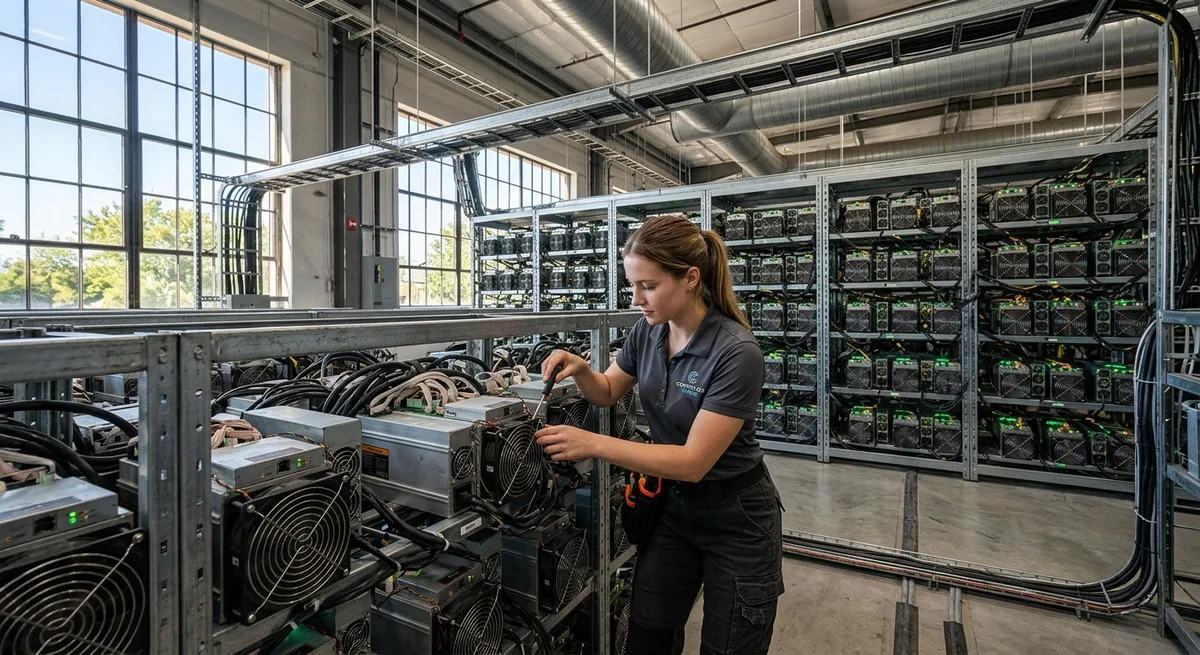
Green bitcoin mining usually refers to operations that reduce environmental harm through cleaner electricity, better energy management, or more efficient infrastructure. You are standing in a data centre humming with ASICs, and the real question is where the power feeding those machines actually comes from.
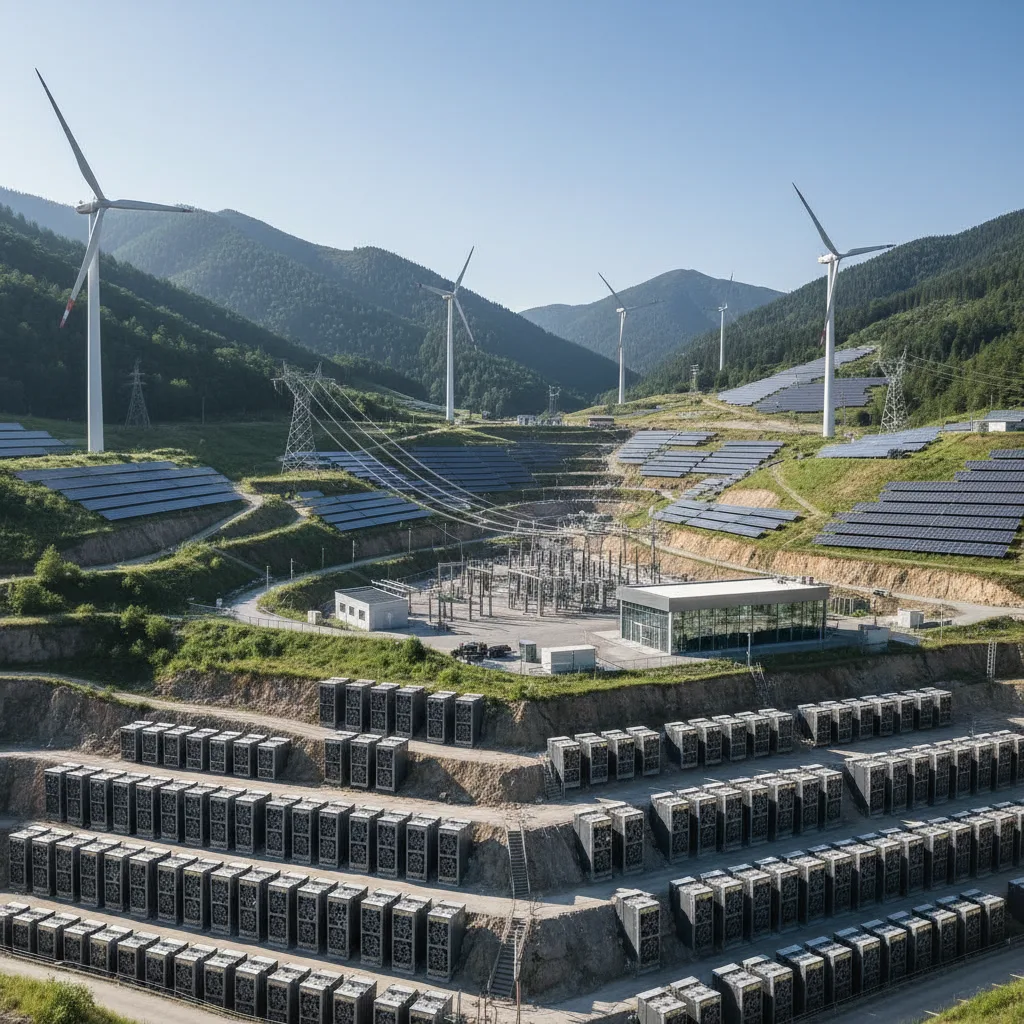
That can mean using renewable energy in cryptocurrency mining, tapping curtailed power that would otherwise be wasted, capturing stranded energy, upgrading to efficient hardware, or designing facilities to reduce cooling waste. These sustainable mining practices show what that looks like in real operations.
Sustainable mining is not one method. It is a combination of choices, and some of those choices matter more than others.
The Best Electricity Sources for Lower Impact Mining
No electricity source is perfect, but some offer a clearly lower emissions profile than others.
Grid electricity depends entirely on the local mix. In one place it is relatively clean. Somewhere else it may be heavily fossil fuel dependent. Solar works well in sunny regions but output is intermittent. Hydro provides stable low-emission energy at scale, though geography limits where it can grow. Geothermal offers strong baseload potential with low emissions, but only where the geology allows it. Biomass can help in specific cases, though sustainability depends on feedstock quality and supply chain realities.
Mixed setups are often the most practical. A miner might combine renewables with grid support or storage rather than betting everything on one source. This guide to the best electricity sources for crypto mining breaks down those options in more detail.
Even so, clean energy alone does not solve everything.
Why Renewable Powered Mining Still Has Limits
Renewable powered mining sounds like the obvious answer, but real constraints exist.
Solar and wind are intermittent. Storage adds cost. Hydro and geothermal are location dependent. Grid stability matters too. An operation may look clean on paper while still competing with local demand during peak hours. That is a very different thing from using genuinely excess or curtailed energy.
Infrastructure is another limit. A remote site with stranded renewable power may still need major transmission buildout to function reliably. Renewable power can improve the future of sustainable bitcoin mining, but only when it is matched to local conditions and realistic economics.
Comparing Traditional Mining vs Eco Mining Crypto
Traditional mining setups usually chase the lowest immediate electricity cost without much focus on source transparency or emissions. Eco mining crypto tries to lower environmental impact through cleaner power, higher efficiency, smarter load management, and better reporting.
That changes emissions profile, operational costs, regulatory exposure, and how the business is perceived. This roundup of eco friendly mining solutions shows how different those setups can look in practice.
The real difference usually comes down to whether sustainability is built into the operation from the start or bolted on later as branding.
Cost, Profitability, and Sustainability: Can They Align?
Yes, but not automatically.
Sustainable mining makes financial sense when clean energy is cheap, abundant, and stable. It becomes more attractive when miners use efficient hardware, participate in demand response programs, or benefit from local incentives. In those cases, the impact of green mining on bitcoin profitability can genuinely be positive.
But there are situations where the sustainability story is mostly marketing. If a miner pays a premium for unreliable power, leans on vague offset claims, or struggles to maintain uptime, the economics fall apart quickly. The strongest models are usually the ones where lower emissions also support better energy cost control. Those two things tend to go together more often than people expect.
Why Some Sustainable Mining Models Are More Credible Than Others
Credibility starts with transparency. A serious operator can show where its power comes from, what percentage is renewable, how efficient its machines are, and how it manages local demand. Third-party reporting helps. So does consistent operational data over time.
Weak claims tend to rely on vague language. If a company says it is green because it bought offsets but cannot explain direct reductions or actual energy sourcing, skepticism is justified. Greenwashing becomes common whenever sustainability turns into a selling point.
The best way to judge the issue is through real examples.
Case Studies: How Mining Operations Are Becoming More Sustainable
Real case studies matter because they show what miners actually changed, not just what they claimed in a press release.
Some have cut their footprint by relocating to lower-carbon regions. Others improved cooling systems, upgraded hardware, or shifted toward renewable and surplus energy strategies. This guide on how to reduce a mining operation’s carbon footprint offers practical examples of those moves.
The key question in every case is scalability. A clever low-carbon pilot is interesting, but only meaningful if it can work beyond a niche setup.
Solar Powered Mining Operations
Solar mining makes the most sense in regions with strong sunlight, cheap land, and supportive energy economics. It works especially well when paired with battery storage or grid support that smooths out supply gaps.
The limitation is straightforward: solar does not run at full output all day. That means accepting lower uptime, investing in storage, or using hybrid models. For smaller or off-grid setups, solar can be appealing. For industrial-scale operations, it works best as part of a broader system. This guide on setting up a solar powered crypto mining operation goes deeper if you want the technical side.
Hydroelectric and Geothermal Mining Models
Hydroelectric power gets a lot of attention in this space because it can provide reliable output at scale with relatively low emissions. That makes it attractive in regions with strong water resources and established infrastructure. This article on hydroelectric mining covers both the benefits and the real trade-offs.
Geothermal is even more interesting in the right geography. Steady baseload generation, low carbon profile, minimal intermittency. The catch is that very few places can build around it efficiently. Iceland is the obvious example. Most of the world cannot replicate it.
Both models are stronger on paper than many intermittent systems, but neither is universally available.
Using Waste or Alternative Energy Streams
One of the more interesting shifts in sustainable blockchain technology is mining on stranded or waste energy. Some operations use surplus power that would otherwise go unused. Others tap alternative streams like biomass or flare gas. The sustainability value depends on the exact setup, but the basic idea is genuinely attractive: reduce waste while running flexible computing loads. This piece on using biomass for crypto mining rigs shows how that plays out in practice.
The Role of Better Hardware and Smarter Operations
Even when a mining site is not running on 100 percent renewables, it can still reduce its footprint by becoming more efficient. This is the unglamorous but genuinely impactful side of sustainable mining.
Newer ASICs deliver more hash power per unit of energy. Better cooling systems reduce waste and extend machine lifespan. Smart site selection can lower both electricity cost and environmental strain. Dynamic energy management lets miners scale activity based on grid conditions rather than just running flat out all the time. If you are comparing hardware options, this guide to eco friendly mining hardware is a useful reference.
Why Efficiency Improvements Matter More Than Many People Think
A small gain in energy efficiency across thousands of machines adds up fast. Lower electricity use per unit of hash power means lower costs and lower emissions intensity, assuming the same power source.
Efficiency also reduces pressure on cooling, maintenance, and replacement cycles. It helps not just direct energy use but the broader lifecycle of equipment. That makes energy efficient bitcoin mining methods worth pursuing even when the electricity mix is not ideal. Not glamorous, but real.
Carbon Neutral Mining: Real Strategy or Marketing Label?
Carbon neutral mining can mean two very different things, and the difference matters.
In the stronger version, a miner first reduces direct emissions through cleaner power, efficient hardware, and operational discipline, then uses limited offsets to cover what remains. In the weaker version, a miner keeps a high-carbon operation and buys offsets to clean up the image. One is a real strategy. The other is a label.
Offsets can play a role, but they are not a substitute for actual reductions. This guide on building a carbon neutral mining operation explains what a credible approach actually looks like.
How to Measure Bitcoin Mining Sustainability Properly
If you want to assess bitcoin mining sustainability seriously, single-number narratives will let you down.
One company might advertise high renewable usage while quietly ignoring equipment waste. Another might highlight low emissions while leaving out local grid stress. A proper review needs multiple metrics, not one headline figure. This crypto carbon footprint calculator can help you think more concretely about the numbers involved.
The goal is not perfect measurement. It is better judgment.
The Key Metrics to Watch
Start with emissions per kWh and total emissions intensity. Then look at renewable share, hardware efficiency, uptime, and equipment age.
After that, consider lifecycle factors. How often is hardware replaced? What happens to obsolete machines? Are cooling systems resource intensive? Does the operation create local externalities like noise, water strain, or grid pressure?
These metrics give a far more complete picture than raw electricity use alone.
Questions to Ask Before Trusting a “Green” Mining Claim
Ask where the power comes from. Ask whether the renewable share is independently verified. Ask whether the operation is using genuinely excess energy or competing with local demand. Ask for machine efficiency data. Ask how e-waste is handled.
Also ask for time-based detail. Annual averages hide a lot. A miner might claim clean power while quietly falling back on dirtier backup sources during critical periods. Transparency means showing the real operating pattern, not just the best number in the deck.
Regulation, Incentives, and the Future of Sustainable Mining
Regulation is becoming one of the most significant forces shaping cryptocurrency mining and environmental regulations. Governments are paying far more attention to emissions, energy sourcing, reporting requirements, and local infrastructure impact than they were even a few years ago.
Some regions are tightening rules around power use and disclosure. Others are actively trying to attract miners who can align with clean energy goals. This overview of the latest crypto environmental policies shows how quickly the landscape is shifting.
For miners and investors, this is no longer a side issue. Policy can directly shape margins and long-term viability.
How Incentives Can Push Mining Toward Cleaner Energy
Incentives change economics, and changed economics change behavior. Renewable tax incentives, subsidies, and energy partnerships can lower the cost of cleaner power and make sustainable investing in cryptocurrency more rational. Some regions offer support for renewable buildouts or load balancing participation. Others reward industrial users that help absorb excess clean generation. This guide on renewable energy tax incentives for mining explains why these programs matter in practice.
When policy supports lower-carbon operations, sustainable choices become easier to defend both financially and politically.
What Experts Expect Next
Most experts expect more disclosure, more scrutiny, and more selective growth across the industry.
Mining will likely keep shifting toward regions with cleaner and cheaper power. Hardware will keep improving. Investors will demand stronger reporting. Regulators will become less tolerant of vague sustainability language. And lower-emission baseload sources, including geothermal where geography allows, may get significantly more attention. This look at geothermal energy in sustainable crypto mining highlights that direction well.
The trend seems clear. But that still leaves one honest question: is the industry actually improving, or just getting better at sounding like it is?
Is Bitcoin Mining Sustainability Improving or Just Better Marketing?
Honestly, both are happening at the same time.
There is real progress. More miners are paying serious attention to renewable energy in cryptocurrency mining, hardware efficiency, and flexible load management. Some operations are becoming genuinely smarter, cleaner, and more transparent. Clean energy focused sourcing strategies are more visible now too, as shown in this overview of clean energy mining pools.
At the same time, marketing has improved faster than standards. Sustainability language now shows up in investor relations, public positioning, and brand defense, which means unsupported claims are everywhere. It takes some effort to separate the two.
So yes, the direction is better. But improvement is uneven, and a healthy amount of skepticism still makes sense.
A Balanced Verdict for Readers Making Investment or Policy Decisions
For investors, the smart approach is risk assessment. Do not just ask whether a miner says it is green. Ask whether it can actually prove energy sourcing, efficiency, and resilience under tougher regulation.
For miners, the practical reality is that sustainability is no longer optional branding. It is becoming part of cost control, compliance, financing, and reputation. In some cases, greener practices can even open up new value streams, such as carbon credits for miners, though that should be treated as a bonus rather than the core business model.
For policymakers, blanket assumptions do not work. Mining should be evaluated based on actual local impact, verifiable power sourcing, and reporting quality. The context matters enormously.
Conclusion: The Real Answer on Bitcoin Mining Sustainability
The real answer on bitcoin mining sustainability is this: Bitcoin mining can become more sustainable, but only under specific conditions.
Those conditions include cleaner energy sourcing, better ASIC efficiency, smarter operations, transparent reporting, and policy frameworks that reward lower-impact models while exposing weak ones. That does not erase the fact that Bitcoin mining uses significant energy. It means the more useful question is how that energy is produced and managed.
If the industry keeps moving toward green bitcoin mining with real evidence behind it, long-term sustainability improves. If it relies on vague claims and weak offsets, the criticism will remain justified. For anyone trying to judge the future of sustainable bitcoin mining, that distinction matters far more than the headline debate.
If you want to see how incentives may accelerate that shift, this guide to clean energy mining incentives is a strong place to continue.