

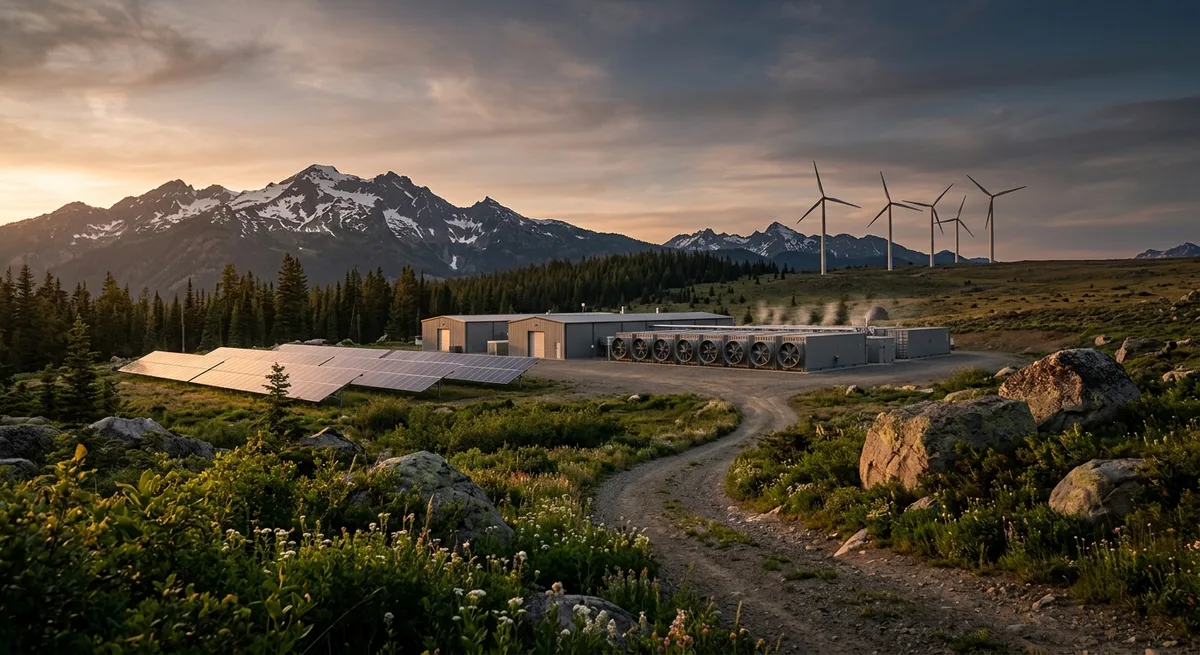
Bitcoin mining environmental impact?
Why people ask how much electricity does bitcoin mining use
The short answer: Bitcoin mining uses a lot of electricity. Most credible estimates put global consumption somewhere between 90 and 160 terawatt hours per year, though that number shifts constantly depending on the methodology and the moment in time. When people ask how much electricity does bitcoin mining use, they’re usually asking something bigger: is this network worth its energy footprint?
That question lands differently depending on who’s asking. Beginners want to know whether Bitcoin is wasteful by design. Investors are thinking about regulatory risk and reputation. Environmentally conscious readers want to know whether Bitcoin electricity usage is genuinely a climate problem or whether the headlines are oversimplifying a messier reality.
Here’s what’s easy to miss: bitcoin mining energy consumption isn’t a fixed number. It shifts with Bitcoin’s price, mining competition, hardware quality, and where miners happen to be buying their power. That’s why one article compares the network to a small country’s power consumption, while another focuses on improving efficiency or growing renewable adoption.
If you want a wider primer on the topic, this guide on Bitcoin mining energy and environmental impact is a useful companion. From there, we’ll work through global bitcoin power demand, daily usage, heat generation, and the actual environmental trade-offs behind the debate.
How Bitcoin mining uses electricity in the first place
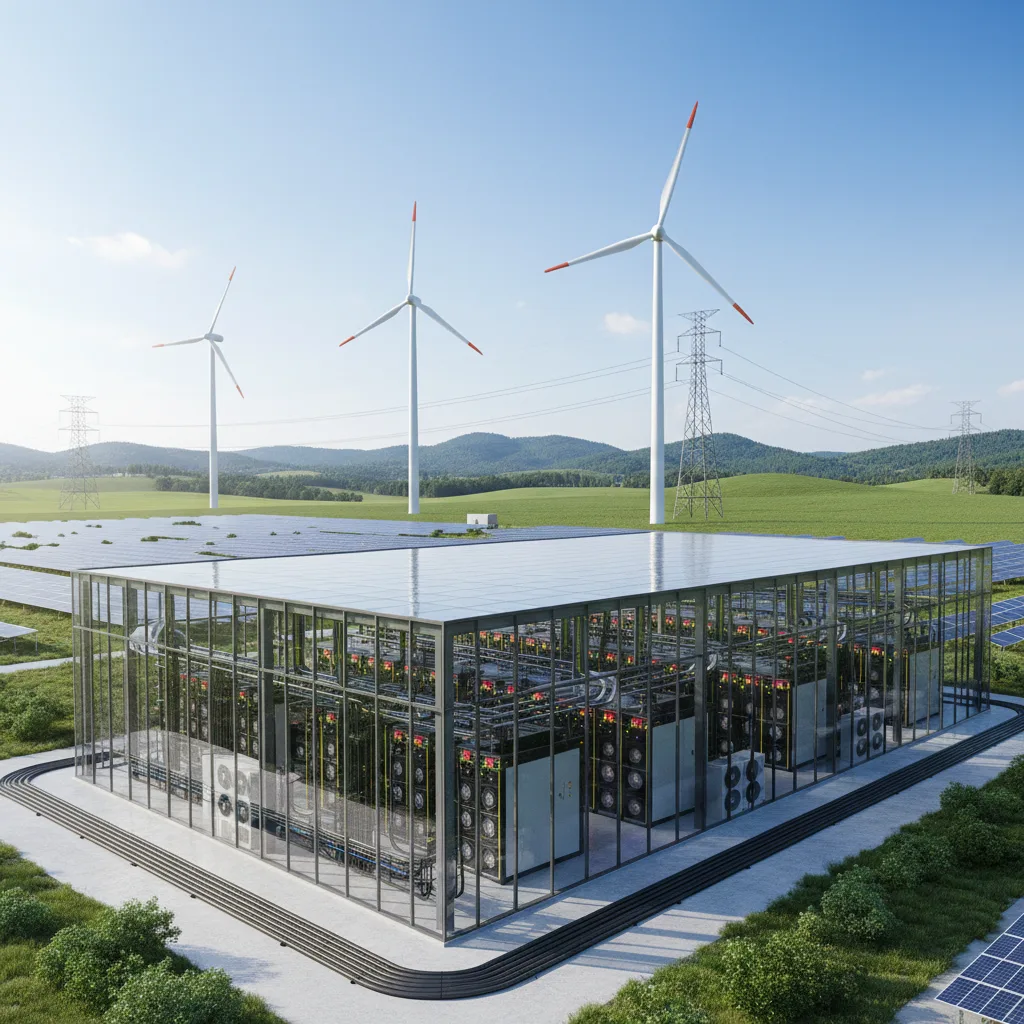
Bitcoin runs on proof of work. Miners use computers to compete at solving cryptographic puzzles. The first machine to find a valid solution earns the right to add the next block and collect the reward plus transaction fees.
That competition is what burns electricity. Mining machines are running calculations non-stop because there’s a direct financial incentive to keep going. The more computing power, or hash rate, miners add to the network, the harder the system makes the puzzle through difficulty adjustments, so blocks still arrive at a consistent pace.
Electricity use is tied to incentives. When Bitcoin becomes more profitable to mine, more machines come online. When margins tighten, less efficient operators shut down. The network is constantly balancing economics, difficulty, and hardware efficiency in a feedback loop that never fully settles.
A lot of people assume Bitcoin mining power demand is fixed because the protocol is fixed. It isn’t. Proof of work creates a live market where miners spend real-world energy to compete for digital rewards. For a practical look at how performance gets measured, see the key measures of mining energy efficiency. That brings us to the machines doing most of the actual work.
The role of ASIC miners
Bitcoin mining today is dominated by ASIC miners, which stands for application specific integrated circuit. These are machines built for exactly one thing: hashing the Bitcoin algorithm as efficiently as possible. That focus is why regular PCs and gaming GPUs can’t compete anymore.
Modern ASICs produce far more hash rate per watt than anything else on the market. Hardware efficiency has genuinely improved a lot over the years. But there’s a catch that matters here.
Better machines can reduce electricity per unit of computation, while total network usage still rises if more miners join or if smaller fleets of older hardware get replaced with larger fleets of newer machines. Efficiency gains at the machine level don’t automatically bring the global total down. If you want to see what high-efficiency hardware looks like in practice, take a look at these top energy efficient mining hardware options.
Why total energy use changes over time
Bitcoin mining energy use shifts because the business case shifts. If Bitcoin’s price rises sharply, more miners can profit even at higher electricity costs, which tends to push up total hash rate. Block subsidies decline over time through halvings, which can pressure miner margins. Regional electricity prices matter too, because cheap power can keep older machines running far longer than they’d otherwise survive.
Hardware upgrades, network security demands, and policy changes all play a role as well. This is why estimates move around. Different figures aren’t necessarily contradictory. They often just reflect different moments in a market that never stops changing. For a broader view of the numbers behind these trends, this overview of mining energy consumption stats helps put things in context.
How much electricity does bitcoin mining use globally
If you annualize current estimates, Bitcoin mining typically lands somewhere in the range of 90 to 160 terawatt hours per year. Some analyses fall lower or higher depending on their assumptions, but that band captures what most widely cited models and reports have suggested in recent years.
The Cambridge Bitcoin Electricity Consumption Index is probably the best-known source for this topic. It models annual electricity demand based on network activity and hardware assumptions. Academic papers and industry analyses sometimes reach different figures, but they generally agree on the broad picture: Bitcoin uses a meaningful amount of electricity at scale.
Bitcoin mining power usage compared to countries is a common framing, and it’s not wrong to use it. At various points, annual electricity demand has been compared to the power consumption of smaller or mid-sized nations. That’s a useful way to grasp scale, though it’s more of a size comparison than a moral verdict.
For a broader discussion of the environmental consequences of cryptocurrency mining, this article on whether crypto mining is killing the planet adds useful context. Before treating any estimate as precise, though, it helps to know why the numbers so rarely line up perfectly.
Why global estimates don’t perfectly match
Most Bitcoin energy figures are modeled, not directly measured. That matters more than people realize. Researchers typically estimate electricity use by combining network hash rate with assumptions about miner hardware efficiency. If those assumptions drift, the final figure shifts with them.
Miner self-reporting can help, but it’s incomplete and usually limited to public companies. Location data is tricky too because operations can move, split across sites, or operate with limited disclosure. On top of that, different studies make different assumptions about local energy mixes, which affects emissions estimates even when the raw power figures look similar.
So if one model says 100 terawatt hours and another says 140, that doesn’t mean one is useless. It usually means the uncertainty is real and built into the methodology. A healthy response is skepticism, not dismissal. For more on how electricity use connects to pollution estimates, see this breakdown of crypto mining emissions.
How much electricity does bitcoin mining use per day
If Bitcoin mining uses roughly 90 to 160 terawatt hours per year, then how much electricity does bitcoin mining use per day? Divide it out and you get approximately 247 to 438 gigawatt hours per day.
That daily figure makes the continuous scale of activity easier to picture. Mining draws enormous amounts of power every single day across thousands of machines and facilities scattered around the world. But daily bitcoin electricity use isn’t perfectly steady. Miner shutdowns, curtailment events, weather, local prices, and equipment maintenance all create fluctuations.
So when someone asks how much electricity does bitcoin mining use per day, the honest answer is a range, not a single clean number. The network is always active, but the exact power draw changes with real-world conditions.
If you want to estimate a mining operation’s broader footprint, this crypto carbon footprint calculator guide can help connect daily energy use to emissions estimates.
A simple way to think about daily consumption
The easiest approach is to take an annual estimate and divide by 365. If a model puts Bitcoin at 120 terawatt hours per year, that works out to about 329 gigawatt hours per day on average.
That doesn’t mean every day looks the same. A heat wave can push some miners offline. A spike in local energy prices can reduce activity in one region. A new fleet deployment somewhere else can raise the global draw. Average daily consumption is useful for understanding scale, not for predicting any individual 24-hour window.
It also helps to remember that electricity source matters as much as electricity volume. The same daily power draw can produce very different environmental outcomes depending on what’s actually generating it. If you want to think through that side of the equation, this piece on the best electricity sources for crypto mining is worth a read.
How much electricity does bitcoin mining take compared with other systems
A lot of debate around Bitcoin starts with comparisons. How does it stack up against a small country, traditional banking, data centers, or gold mining?
The answer depends heavily on the comparison you choose. Bitcoin’s annual electricity use has at times been compared to countries like Argentina or the Netherlands. It’s also frequently compared with gold mining, which burns energy in extraction, transport, refining, and processing. Traditional banking uses electricity too, through branches, ATMs, office buildings, servers, payment networks, and settlement infrastructure.
These comparisons can be helpful because they give a sense of scale. They can also mislead when they’re framed carelessly. Bitcoin is a settlement and security network. Gold is a physical commodity with industrial and cultural uses. Data centers support thousands of different services. Putting them side by side as if they’re equivalent functions creates more heat than light. For another angle on this debate, this piece on whether Bitcoin is destroying the planet explores where the claims come from.
Why comparisons are useful but imperfect
Energy comparisons work best when you ask what service a system actually provides, how secure it is, and what its emissions profile looks like. A headline number alone can’t answer those questions.
Two systems can use similar amounts of electricity while having very different carbon footprints, because one runs on coal-heavy grids and the other mostly on low-carbon generation. Similarly, one industry might appear energy intensive while offering a kind of resilience or financial access that another system simply doesn’t. Energy intensity is a starting point, not a final answer. If you’re interested in how mining operations are trying to improve this picture, this guide to eco friendly mining solutions is a good next step.
How is bitcoin mining bad for the environment
When people ask how is bitcoin mining bad for the environment, they’re usually thinking about emissions first. If mining runs on fossil fuels, especially coal or natural gas-heavy grids, the carbon impact can be significant. This isn’t theoretical. Mining operations that plug into dirty grids are contributing to real emissions.
There are local impacts too. In some regions, increased electricity demand can keep older fossil fuel plants running longer or add pressure to already strained grids. Air pollution can rise where dirtier generation fills the gap. Water stress can matter if the local power system depends heavily on water-intensive cooling. And then there’s the question of electronic waste, because ASICs become obsolete quickly once they’re no longer profitable, and not all of them get recycled responsibly.
This is where the environmental consequences of cryptocurrency mining become more serious than a simple electricity headline. High energy use matters, but what really shapes the harm is the source of that energy and the full lifecycle of the equipment.
For a deeper look at the emissions side, this article on crypto mining pollution gives useful detail. One distinction matters a lot here, though, and it keeps getting lost.
The difference between electricity use and emissions
Electricity use and emissions are not the same thing. A mining farm running on hydro, wind, solar, or curtailed renewable power has a very different carbon intensity from one running on coal-based electricity, even if the machines consume exactly the same wattage.
That doesn’t mean electricity use stops mattering. It means the energy mix changes the outcome. Oversimplified headlines often miss this entirely. They treat all electricity as equally dirty, which just isn’t accurate.
If you want a balanced look at whether renewable energy can meaningfully change mining’s footprint, this article on renewable energy and Bitcoin mining is worth reading.
How much heat does bitcoin mining generate
Almost all the electricity consumed by mining hardware ends up as heat. That’s just physics. ASICs convert electrical energy into computation, but the byproduct is thermal output, and there’s a lot of it. Imagine a warehouse full of machines running flat out, 24 hours a day. The heat coming off a single row of ASICs is enough to make you appreciate why cooling is a serious operational concern.
When people ask how much heat does bitcoin mining generate, the honest answer is: nearly as much as the total electricity consumed, minus only a small fraction. At facility scale, that means large mining farms are constantly managing enormous amounts of waste heat. Without proper cooling, performance drops, failure rates climb, and efficiency tanks.
This creates a second layer of energy demand. Heat has to be actively moved away from the machines, and that takes power too. For practical cooling strategies, check out the best cooling solutions for your mining farm.
Why cooling can raise total energy consumption
A mining operation doesn’t only power ASICs. It also powers fans, pumps, ventilation systems, control electronics, and in some cases full HVAC or immersion cooling infrastructure. All of that adds to the electricity bill.
Immersion cooling can improve hardware stability and sometimes overall efficiency, but it still requires supporting equipment to run. Air-cooled setups may be simpler, though they can become less efficient in hot climates. Facility design and ambient temperature both matter more than people often assume.
Two mining farms running identical machines can have meaningfully different total power draws depending on how well the facility is built and where it sits geographically. If you want to understand those operational efficiency trade-offs, this resource on measuring mining energy efficiency adds helpful detail.
What drives Bitcoin mining’s environmental impact more than the headline number
The biggest mistake in this debate is assuming total electricity use alone tells the whole story. It doesn’t. The more important question is what kind of electricity is being used and what role the mining operation plays in the local energy system.
Mining on a coal-heavy grid is a very different situation from mining with stranded energy, curtailed renewables, or flare gas. Some miners use flexible demand strategies to shut down during peak grid stress and come back online when surplus power is available. In the right conditions, a miner can absorb energy that would otherwise be wasted. In others, mining simply adds pressure to systems that are already struggling.
This is where renewable integration, stranded energy, and flare gas mitigation become central to any honest analysis. The same global electricity figure can conceal very different local realities. If you want to dig into the source side more directly, revisit what powers a mining rig.
Why location matters more than many readers expect
A mining machine in a coal-dependent region can carry a dramatically higher carbon footprint than the exact same machine running on hydroelectric power. The hardware is identical. The outcome is not.
That’s why hydro, solar, and wind-powered mining come up so often in this conversation. Location determines grid cleanliness, transmission constraints, seasonal power availability, and access to excess generation. It also shapes regulation, curtailment opportunities, and how welcoming local communities are to the operation.
A machine running in a hydro-rich region with frequent surplus generation can look completely different from one where fossil fuels dominate the marginal supply. If you want a practical case study, this article on hydroelectric mining shows clearly why geography matters so much.
Can Bitcoin mining become more sustainable?
Bitcoin mining can become more sustainable, but let’s be realistic: the issue isn’t solved. There are several levers that can reduce harm, even if none of them removes the underlying energy intensity of proof of work.
- Better hardware: newer machines produce more hash rate per watt
- Cleaner power sourcing, especially low-carbon generation or flexible load strategies
- Smarter cooling and facility design
- Waste heat reuse, where excess thermal output can serve industrial or building needs
- Demand response, where miners power down during peak demand and act as interruptible load
These changes can meaningfully improve sustainable mining outcomes. But the quality of implementation matters. A company claiming green mining still needs to show where the electricity actually comes from, how often it curtails, and what its real emissions profile looks like. Marketing language is cheap.
If you want a practical survey of approaches already in use, this guide to eco friendly mining solutions is a solid place to start.
Renewable energy options miners are experimenting with
Some miners are testing off-grid setups using solar, hydro, or wind. The appeal is obvious. Renewable-powered mining can lower carbon intensity and sometimes reach energy sources where grid transmission is limited or nonexistent.
The trade-offs are real, though. Solar is intermittent and usually needs storage or hybrid systems to stay practical. Hydro can be low-carbon, but it depends on site availability, permitting, and seasonal water flows. Wind can be strong in the right regions, though variability remains a genuine challenge.
Renewable-powered mining works best when miners are honest about the constraints. A setup might combine local generation, battery support, and grid connection rather than pretending one source handles everything cleanly. If you want to see how one of these models gets built, this guide on setting up a solar powered crypto mining operation is worth a look.
What the data means for investors, miners, and policymakers
For investors, Bitcoin’s energy debate creates genuine reputational and regulatory risk. If environmental policy tightens or public criticism grows, that can affect mining companies, local project approvals, and narratives around Bitcoin exposure more broadly. The answer isn’t panic. It’s separating sensational claims from actual evidence and tracking what policy environments are shifting.
For miners, this is directly about economics. Electricity is usually the biggest operating cost. Better efficiency, smarter siting, and cleaner energy sourcing aren’t just PR talking points. They affect margins, uptime, and whether an operation survives the next difficulty spike or halving cycle. Poor energy strategy can turn a profitable quarter into a loss quickly.
For policymakers, the issue is more complex than simply approving or banning mining. The real questions are whether mining increases grid stress in a specific region, whether it raises or lowers local emissions, and what incentives would actually steer activity toward cleaner outcomes. Good energy policy here means focusing on local grid conditions, transparent emissions reporting, and carbon intensity rather than treating all mining as identical.
If you want another perspective on how the environmental argument affects the broader Bitcoin conversation, this discussion of Bitcoin’s environmental impact is a useful follow-up.
Conclusion: Bitcoin mining uses a lot of electricity, but the full impact depends on context
So, how much electricity does bitcoin mining use? The most honest current answer is: a lot. Somewhere in the range of 90 to 160 terawatt hours per year, or roughly 247 to 438 gigawatt hours per day. That makes it undeniably energy intensive, and it’s reasonable to take that seriously.
But the full environmental picture depends on far more than that headline figure. Daily use, global consumption, heat generation, cooling overhead, hardware efficiency, and above all the actual energy source behind the electricity all shape the real outcome. High electricity use is real. Significant emissions are possible. But the two aren’t automatically identical in every case.
That’s the perspective worth holding onto. The honest answer sits in the middle: proof of work has a real environmental cost, and the seriousness of that cost depends heavily on context, location, and energy mix. Neither “harmless” nor “uniquely destructive” is accurate.
If you want to explore one of the cleaner power paths miners are testing, this guide on building a wind energy Bitcoin farm is a practical next read.