

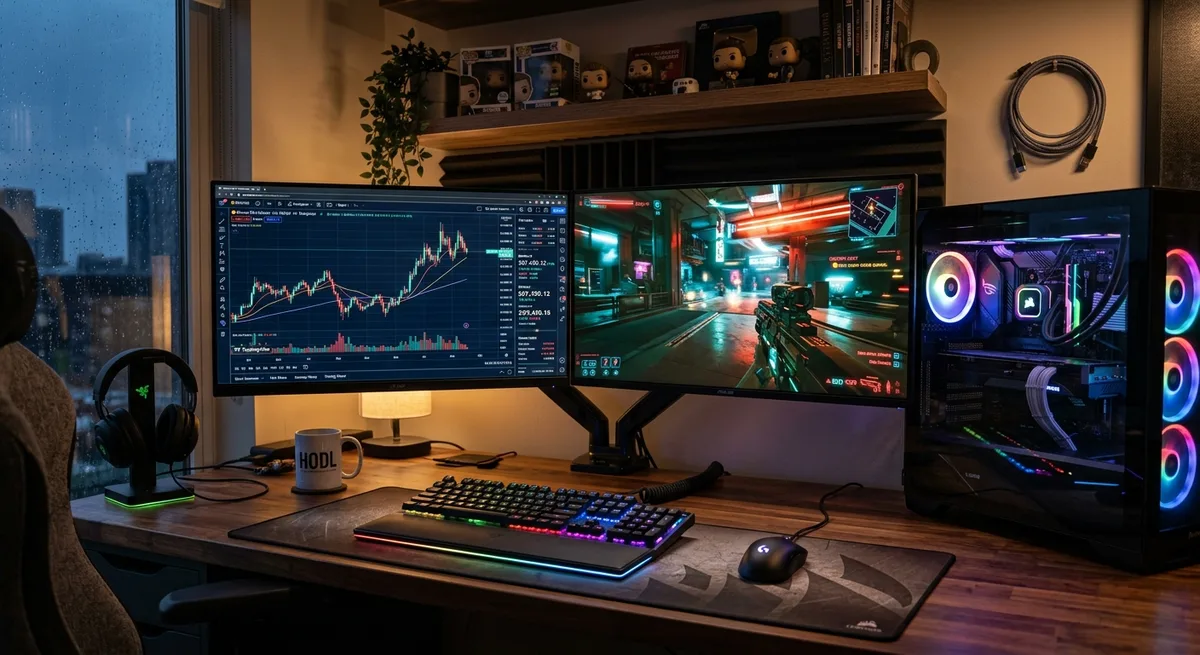
Something interesting is happening at the intersection of two worlds that used to live in completely separate corners of the internet. Gamers, who have spent decades building characters, collecting items, and grinding through virtual economies, are starting to ask harder questions about who actually owns the time and money they put into games. And crypto, a space built around ownership, open networks, and programmable value, happens to offer some answers. Not all of them are good answers yet. But the overlap is real, and the blockchain gaming ecosystem is getting bigger every quarter.
This article walks through what gaming and crypto actually means in practice, why the two are merging, where the real opportunities sit, and where the risks are hiding. No hype, no shortcuts.
Introduction: Why Gaming and Crypto Are Suddenly in the Same Conversation
Games have always had digital economies. Anyone who has traded skins, bought in-game currency, or sold a rare item on a third-party marketplace knows this. The economy was always there. What was missing was real ownership.
Crypto changes that part of the equation. It introduces tradable assets, native tokens, decentralized marketplaces, and infrastructure where items don’t simply disappear when a publisher decides to shut down a server. That’s the connection. Not a magical earning machine, just a new layer of ownership and economic design sitting on top of something gamers already understood.
You’ll see a lot of noise around this topic, so the goal here is different. Practical explanations. Honest trade-offs. And a clear view of why this trend matters even if you never plan to buy a single in-game token.
What Does Gaming and Crypto Actually Mean?
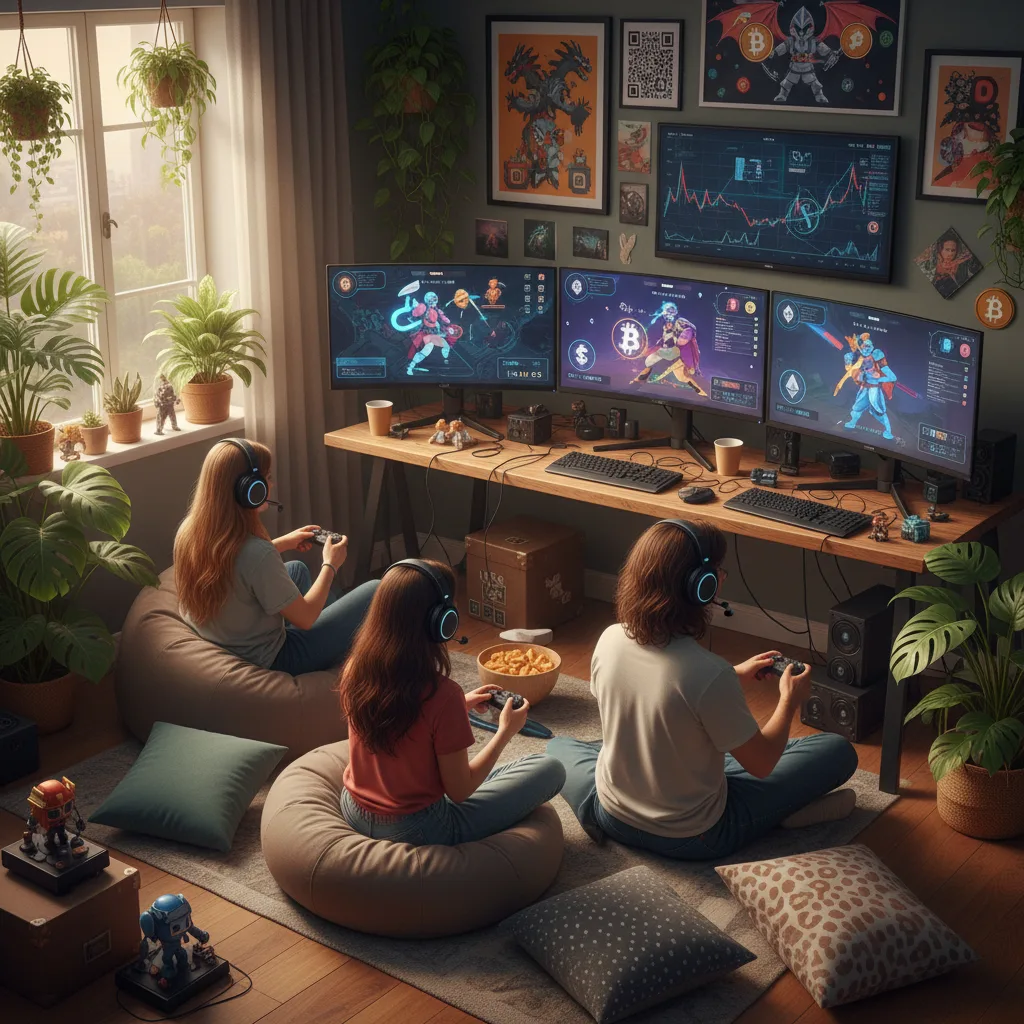
At its core, gaming and crypto refers to the integration of cryptocurrencies, blockchain networks, NFTs, wallets, and tokens into games. That integration can show up in many ways. It might be a token you earn for completing matches. It might be a character you actually own as an NFT. It might be a marketplace where players trade items directly with each other instead of going through the publisher.
The crypto integration usually sits in three layers: the network the game uses, the assets that live on that network, and the wallet that connects the player to both. If you’ve never touched crypto before, it helps to understand the foundation. The piece What Is Blockchain? Explained for Beginners is a good starting point before going deeper into anything gaming-related.
Crypto Gaming Explained in Simple Terms
Crypto gaming is a broad label for games that use blockchain-based assets, tokens, or ownership mechanics. Sometimes it means play-to-earn games where you can earn tradable tokens through gameplay. Sometimes it means traditional-style games with optional NFT items. Sometimes it means full economies running on-chain.
Here’s the part most marketing materials leave out: not every game with crypto attached to it is good, profitable, or sustainable. A token does not automatically make a game valuable. Many crypto games launch with strong tokenomics but weak gameplay, and they fade quickly once early speculators leave.
Blockchain Games vs Traditional Games
In a traditional game, you usually rent access to your in-game assets. The skin in your inventory, the character you’ve leveled, the rare drop you finally got after a hundred attempts. All of it lives on a company’s servers, and that company decides what happens to it.
Blockchain games shift part of that model. Certain assets may sit in your wallet rather than the publisher’s database. You can potentially trade them, move them, or sell them outside the game. Digital ownership becomes provable and portable, at least in theory. In practice, it depends entirely on how the game is built and how much the studio actually decentralizes.
The Main Reasons Gaming and Crypto Are Becoming Connected
A few forces are pushing these two worlds together at the same time. Player demand for ownership. New monetization options for studios. Community-driven economies. Developer funding models that didn’t exist five years ago. And, of course, investor interest, which tends to accelerate any narrative.
These gaming crypto trends are not just hype cycles. They reflect deeper shifts in how value is created and shared online.
1. Players Want More Control Over In-Game Assets
People spend real money on digital items. They always have. The difference now is that some of them are asking why their in-game assets disappear the moment a server goes offline or a publisher changes the rules.
Crypto offers a possible answer for skins, characters, weapons, virtual land, and collectibles. Ownership can be tied to a wallet instead of a publisher account. Whether that ownership is meaningful depends on the game design and how well the assets hold demand. If you want to dig into what actually makes a digital asset valuable, What Gives NFTs Value? is worth reading before assuming every NFT will hold its price.
2. Games Are Becoming Their Own Economies
Some games now feel less like products and more like small economies. Marketplaces, native currencies, reward systems, trading activity. Once a game has these moving parts, token design suddenly matters as much as level design.
This is where supply mechanics, sinks, and incentives become critical. A game can have great combat and still collapse if its token emissions outpace demand. Tokenomics Explained for Beginners goes deeper into why these mechanics decide whether an in-game economy survives or implodes.
3. Developers Are Exploring New Funding Models
Crypto opens new ways to raise money, distribute ownership, and reward early users. Studios can issue tokens, build community-owned ecosystems, or pre-sell assets to fund development. Done well, this aligns players, investors, and developers.
Done badly, it creates short-term incentives that destroy the project. Token launches that reward speculators more than actual players tend to age poorly. Some teams also use mechanisms like supply reduction to manage long-term value. What Is Token Burning and Why Do Projects Use It? explains one of the tools studios apply when designing game token rewards.
4. Players Can Trade Assets Outside the Game
Decentralized markets let players buy, sell, and trade gaming assets without going through the original publisher. That’s a real shift. It also means liquidity, demand, and price are no longer guaranteed by anyone.
Player-owned marketplaces can be powerful, but they only work if people actually want what’s being sold. If you’re curious about how decentralized trading works under the hood, What Is a Decentralized Exchange? gives a clear breakdown.
GameFi Explained: Where Gaming Meets Finance
GameFi is the combination of gaming, decentralized finance, and token-based incentives. The idea is to bring financial mechanics like staking, yield, lending, and rewards into games. It sounds appealing on paper, and sometimes it works. But this is also where the most fragile projects tend to appear.
Adding decentralized finance in games introduces opportunity, but it also introduces financial risk inside something people used to do purely for fun. That mix needs to be handled carefully.
How GameFi Rewards Usually Work
Reward systems in GameFi vary, but a few common patterns show up. Players earn tokens through gameplay, complete quests for payouts, stake assets to receive yield, win competitive battles for prize pools, or contribute to an ecosystem in exchange for governance tokens. The promise is simple: earn crypto by playing games.
The catch is that earning is only the first half. Holding, using, or converting those rewards is the part most people underestimate.
Why GameFi Can Be Risky
When a game’s rewards are mostly funded by new players entering the ecosystem, the model starts to look uncomfortably similar to something you don’t want to be at the bottom of. Inflation kicks in, token prices drop, early players cash out, and late arrivals are left holding assets that nobody wants.
Unsustainable token rewards are the most common failure mode in this space. Liquidity also matters more than most players realize. If there’s no one on the other side of the trade, your rewards exist only on paper. What Is a Crypto Liquidity Pool? Explained Simply covers why liquidity is the quiet foundation behind every working crypto market.
Web3 Gaming: What Makes It Different?
Web3 gaming is a broader idea than crypto rewards. It focuses on ownership, open economies, community participation, and blockchain-based identity. Decentralized gaming, in other words. The player is treated less like a customer and more like a participant in the system.
This vision is still early. Most Web3 games today only deliver parts of it. But the direction is clear.
Player Ownership and Portable Assets
One of the more interesting promises of Web3 gaming is that assets could eventually move across multiple games or platforms. A sword you earn in one world might appear, in some form, in another. Interoperable game assets sound great in theory.
In practice, true interoperability is still rare. Games are built differently, balance is hard to maintain, and studios have little incentive to support each other’s items. It’s a long-term vision more than a current reality.
Community Governance and Game Decisions
Some crypto games let token holders vote on updates, treasury spending, or new features. That kind of community governance can give players real influence over the direction of a game. It also has a weakness: large holders tend to dominate votes, and small players often have little practical say.
Governance is a tool, not a guarantee of fairness. Worth knowing before you assume that owning a token means you actually shape decisions.
Blockchain Data and Real-World Game Mechanics
Some games need information that doesn’t live on the blockchain. Real-world prices, randomness, sports results, weather, or other external data. That’s where blockchain oracles come in. They feed outside information into smart contracts so games can react to it reliably.
If you want to understand how these data bridges work, The Role of Oracles in Blockchain Networks explains the mechanics clearly.
Popular Ways Crypto Is Used in Games
There are a few common crypto use cases in gaming. Knowing them helps you cut through the marketing language and see what a project is actually offering.
In-Game Tokens
Gaming tokens can serve many roles. Rewards for playing. Currency for purchases. Resources for upgrades. Voting power. Staking yield. Marketplace transactions. A single token might play all of those roles, which sounds efficient but often creates conflicting incentives.
The best designs usually separate utility tokens from governance tokens so the game economy stays balanced.
NFTs for Characters, Skins, Land, and Collectibles
NFTs in games can represent characters, skins, virtual land, weapons, or collectible items. They work best when each piece has a clear role inside the game and clear scarcity. NFT gaming assets without utility tend to become forgotten quickly, no matter how nice the artwork is.
Value depends on a mix of utility, rarity, demand, game quality, and whether players still care about the game six months from now.
Crypto Payments and Marketplace Transactions
Crypto payments in games allow buying, selling, and transferring assets directly between players. It cuts out intermediaries and reduces some friction. It also introduces new friction: gas fees, slow transactions on congested networks, awkward wallet flows, and the constant question of which regulations apply where.
The user experience is improving, but it’s still not at the level of a smooth app store checkout. That’s a real obstacle for mainstream adoption.
Examples of How Gaming and Crypto Work Together
Rather than naming specific projects, it’s more useful to look at categories. The blockchain game examples below show how crypto is being applied across different types of games.
Play-to-Earn Games
The play-to-earn model exploded a few years ago and then cooled off just as fast. The promise was simple: play a game, earn tokens, and convert them to real money. In some regions, this actually changed lives during the peak. But it also revealed how fragile reward-driven games can be.
Earning potential may exist in certain games, but gameplay quality and token sustainability matter more than short-term payouts. If a game isn’t fun to play once the rewards drop, the entire economy collapses with them.
Metaverse and Virtual Land Games
Some crypto games support ownership of virtual land, buildings, avatars, and social experiences. Virtual land ownership has produced both legitimate communities and absurd valuations. Plots of land have sold for hundreds of thousands of dollars in projects that didn’t have a working game yet.
Metaverse valuations can be extremely speculative. Treat them with caution, especially when prices move faster than actual development.
Collectible and Card-Based Blockchain Games
Collectible blockchain games use NFTs for cards, characters, or game pieces that players can trade, collect, or use competitively. This is one of the more natural fits for crypto, since collectible games have always relied on rarity, trading, and ownership. Adding blockchain mostly formalizes what already existed in older games.
How to Start With Crypto Gaming Safely
If you actually want to explore crypto gaming, the most important thing is to slow down. The biggest losses in this space usually come from rushing.
Step 1: Learn the Basics Before Connecting a Wallet
Before you sign anything with a wallet, understand the game, the blockchain it runs on, the token, the marketplace, and the risks. Crypto gaming for beginners is mostly an exercise in patience. You don’t need to be the first player. You need to be an informed one.
Smart contract approvals can be tricky. A single careless click can give a malicious contract access to assets in your wallet.
Step 2: Set Up a Secure Wallet
Most crypto games require a wallet, and wallet security is non-negotiable. Protect your seed phrase. Consider a hardware wallet for anything valuable. Double-check links. Be careful with token approvals and revoke them when you stop using a project.
Crypto wallet security is the single area where almost everyone makes mistakes early. How to Store Bitcoin Safely is a useful read on the basics, and most of those principles apply equally to gaming wallets.
Step 3: Research the Game Before Spending Money
Crypto game research is dull, but it saves money. Look at the team. The gameplay videos. The token supply and emissions schedule. The community. The roadmap. Active player counts. Any security audits or past incidents.
And ask one underrated question: would I play this game even if it had no rewards? If the answer is no, the project is mostly running on speculation.
Step 4: Start Small and Treat It as High Risk
Crypto games belong in the category of high-risk crypto assets. Test with small amounts. Don’t assume any token you earn or asset you buy will be worth the same next month. Time spent in a game is also a kind of investment, and not always a recoverable one.
If the worst-case outcome would seriously hurt you, the position is too big.
Risks of Gaming and Crypto
Anyone who tells you crypto gaming is purely an opportunity is selling something. The crypto gaming risks are real, and they’re worth understanding before you commit time or money.
Scams, Fake Games, and Phishing Links
Crypto gaming scams are everywhere. Fake websites that look like real games. Fake airdrops asking you to connect a wallet. Malicious approvals that drain assets. Cloned projects with names one letter off from the originals.
If you want to sharpen your eye for this kind of thing, How to Spot Bitcoin Scams covers patterns that show up in gaming scams too.
Token Volatility
Game tokens can move dramatically. Hype, player growth, market conditions, inflation, and liquidity all play a role. Token price volatility means the rewards you earned today might be worth half as much tomorrow. Or twice as much. Both happen.
Plan around that volatility instead of pretending it doesn’t exist.
Weak Gameplay Hidden Behind Token Hype
A polished token launch can distract from the fact that the game itself isn’t very good. Token hype is a useful warning sign. If most of the marketing is about price, partnerships, and listings rather than gameplay, the product probably isn’t the priority.
Judge the game first. The chart second.
Cashing Out Is Not Always Simple
Converting game tokens or crypto rewards into usable money involves exchanges, liquidity, fees, and sometimes tax obligations. The path from in-game token to bank account can be longer than people expect. Cash out crypto rewards while the market is still functioning, not when everyone is rushing for the exit.
How to Cash Out Bitcoin walks through the general process, and the same logic applies to gaming tokens once they’re converted into a major crypto.
What Gamers Should Look For Before Trying a Crypto Game
A short checklist helps you evaluate crypto games with your head instead of your emotions.
Is the Game Actually Fun?
Player retention is the foundation of any long-term game. If the gameplay loop is boring once the token rewards are removed, the project is unlikely to last. Strong games keep players engaged for reasons that have nothing to do with money.
Does the Token Economy Make Sense?
A sustainable token economy considers supply, emissions, utility, sinks, and inflation. If rewards are paid out faster than they’re absorbed, the price falls. If the economy depends almost entirely on new users entering, that’s a flashing warning light.
Is There Real Demand for the Assets?
Asset demand matters more than scarcity. A limited supply of something nobody wants is still worthless. Items only have value if players want them for gameplay, status, or utility. Don’t assume every NFT will appreciate just because it’s labeled “rare.”
Is the Team Transparent?
Transparent crypto projects communicate consistently, share progress updates, complete audits, and behave reasonably under pressure. Vague promises, hidden teams, and constant pivoting are not encouraging signs. You don’t need a perfect team. You need an honest one.
What Developers and Investors Should Understand About Blockchain Games
This space attracts more than just players. Developers see new mechanics. Investors see new markets. Both groups should approach blockchain gaming investment with the same skepticism they’d apply to any emerging sector.
For Developers: Crypto Should Improve the Game, Not Replace It
Blockchain game development works best when crypto solves a real problem. Ownership of unique items. Open marketplaces. Community incentives. Cross-platform identity. If a token doesn’t actually improve the experience, adding one just because the trend exists usually backfires.
The strongest projects treat blockchain as infrastructure, not as a marketing label.
For Investors: Look Beyond the Narrative
Gaming crypto investment requires more than reading a whitepaper. Active users. Revenue. Retention. Token utility. Liquidity. Unlock schedules. Where the project sits in the broader market cycle. A compelling narrative can carry a token for a while, but fundamentals decide what survives the next downturn.
Ask whether the project would still make sense if the entire market was flat for two years. That’s a useful filter.
The Future of Gaming and Crypto
The future of crypto gaming probably looks different from what most people expect. The early phase was loud, speculative, and reward-driven. The next phase is likely to be quieter and more practical.
Better User Experience Will Matter More Than Hype
Mainstream crypto gaming adoption depends on user experience. Wallets that don’t confuse new players. Low fees. Fast transactions. Onboarding flows that feel like a normal game, not a crypto tutorial. Until that’s solved, mass adoption stays out of reach.
The projects that win will probably hide most of the crypto behind the scenes. Players shouldn’t need to understand smart contracts to enjoy a game.
Regulation and Platform Rules Will Shape the Market
Crypto gaming regulation is still developing. App store policies, securities laws, gambling rules, and tax requirements vary heavily by region. These rules will shape what gets built, how it’s distributed, and which markets a project can serve.
Smart studios are paying attention to this early instead of being surprised by it later.
The Winners Will Likely Combine Strong Games With Strong Economies
Sustainable blockchain games will probably share one trait: the game is valuable even without speculative rewards, and the token economy supports the experience instead of dominating it. The token serves the game. Not the other way around.
That’s the version of crypto gaming worth paying attention to.
FAQ About Gaming and Crypto
A quick gaming and crypto FAQ for the questions that come up most often.
Is Crypto Gaming the Same as Blockchain Gaming?
Not exactly. Crypto gaming vs blockchain gaming usually breaks down like this: crypto gaming tends to focus on games using tokens, NFTs, or crypto rewards, while blockchain gaming refers more broadly to any game using blockchain infrastructure. There’s heavy overlap, but the terms aren’t identical.
Can You Really Earn Money Playing Crypto Games?
It’s possible to earn money with crypto games, but earnings are uncertain. They depend on token prices, liquidity, demand for the game, and timing. Some players have made meaningful amounts. Others have spent more than they earned. Treat it as variable income at best, not a stable wage.
Are Blockchain Games Safe?
Are blockchain games safe is a fair question with a layered answer. Some are run by legitimate teams with audited contracts and stable communities. Others are outright scams. The risks include smart contract bugs, wallet mistakes, token volatility, and projects that simply fail. Safety depends on the specific game and how cautiously you interact with it.
Do You Need Crypto to Play Web3 Games?
Most Web3 games still require a web3 game wallet and some tokens to interact with assets or rewards. A growing number of projects are trying to hide crypto complexity behind simpler onboarding, including email logins and custodial wallets that handle the blockchain layer for you. The trend is moving toward less friction, but it’s not fully there yet.
Conclusion: Gaming and Crypto Are Connected, But the Details Matter
Gaming and crypto are becoming connected because they’re both built around digital value, online communities, ownership, and fast-moving technology. The overlap isn’t a marketing invention. It reflects a real shift in how players, developers, and investors think about what happens inside a game.
That said, the gaming crypto future will reward people who pay attention to details. The fundamentals haven’t changed: a good game needs good design, a good economy needs sustainable mechanics, and a good investment needs more than a story. Start small. Research before you spend. Ignore hype-driven decisions. And remember that owning an asset only matters if the asset itself is worth owning.
The opportunity is real. The risks are also real. Treat both with the same level of seriousness, and you’ll be in a far better position than most of the people rushing in around you.